When Temple Grandin was a small child in the late 1940s, doctors told her mother she had brain damage and suggested an institution. She did not speak until she was nearly four. Today she is a professor of animal science at Colorado State University, the designer of livestock-handling systems used across North America, and one of the most influential autistic people in the world.
Thinking in pictures
Grandin has said she thinks in pictures rather than words, running detailed mental films the way others might reason in sentences. As a young woman visiting her aunt’s ranch in Arizona, she noticed what cattle noticed: shadows, reflections, a coat flapping on a fence, small things that made them balk and panic. She realized that much of the stress in cattle handling came from details people did not see.
She turned that insight into a career. Her curved chutes and handling systems, designed to keep animals calm, came into wide use in U.S. and Canadian meat plants, and in the late 1990s she helped develop the animal-welfare audits that major restaurant companies adopted for their suppliers. Some animal advocates object to any role in slaughter. Grandin’s position is that while people eat meat, animals deserve to be treated humanely, and that this can be measured and enforced.
A public voice
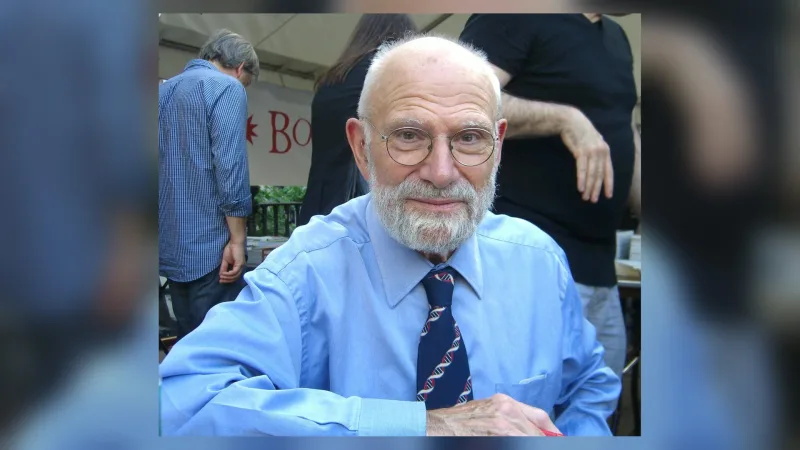
Her 1986 memoir, Emergence, was among the first books by an autistic adult describing autism from the inside. The neurologist Oliver Sacks profiled her in An Anthropologist on Mars (1995), and an HBO film, Temple Grandin, starring Claire Danes, won multiple Emmy Awards in 2010. That same year she gave a TED talk titled “The world needs all kinds of minds,” arguing that schools and employers lose out when they push visual and pattern thinkers aside.
The argument
Grandin’s message is practical rather than sentimental: teach skills, give young people real work, and look for the strengths that come with difference. Her own career is the best evidence for it.
Sources: Temple Grandin, The world needs all kinds of minds, TED; Dr. Temple Grandin’s website; Temple Grandin, Wikipedia.