In July 1960, a 26-year-old Englishwoman with no university degree arrived on the shore of Lake Tanganyika in what is now Tanzania to study wild chimpanzees. Jane Goodall had a notebook, binoculars and the backing of the paleoanthropologist Louis Leakey, who believed someone with an open mind and patience might see things trained scientists would miss. He was right.
The discovery
Within months, Goodall watched a chimpanzee she called David Greybeard strip leaves from a twig and use it to fish termites out of a mound. At the time, toolmaking was considered the defining trait of humans. Leakey’s famous reply was that scientists would now have to redefine “tool,” redefine “man,” or accept chimpanzees as humans.
Over the following decades, Goodall’s research at Gombe documented chimpanzees hunting, sharing meat, forming alliances, grieving and, disturbingly, waging lethal “wars” between communities. She gave the chimpanzees names instead of numbers, which drew criticism at first and is now standard in long-term animal studies. She went on to earn a PhD from Cambridge, one of very few people admitted without an undergraduate degree.
From scientist to advocate
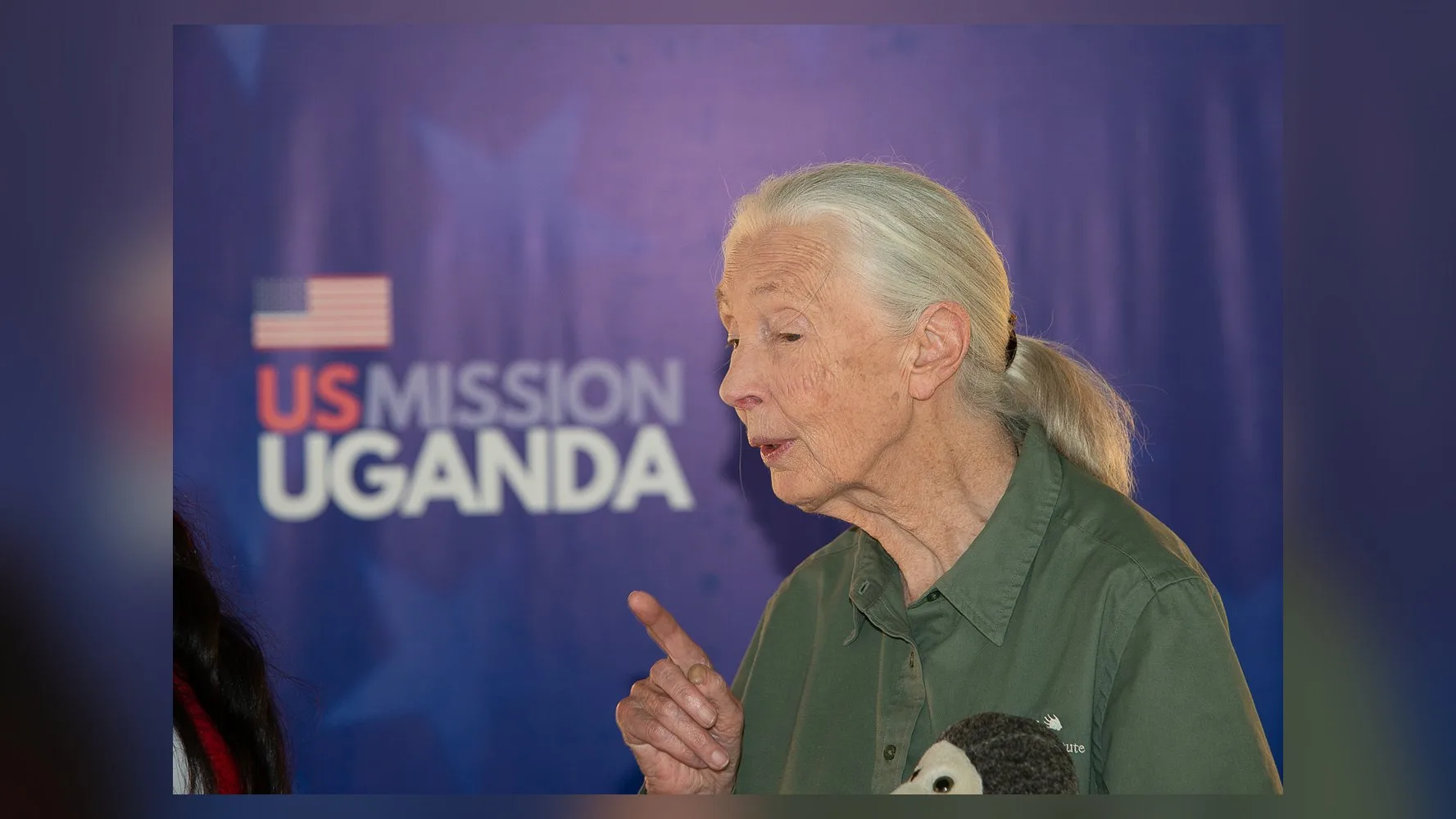
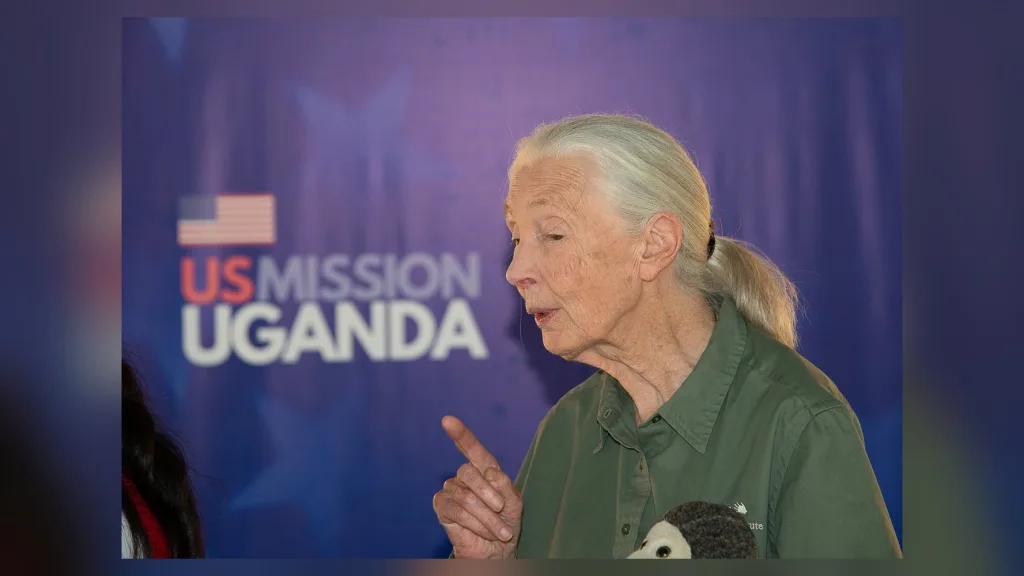
In 1986, at a conference on chimpanzee research, Goodall heard how fast habitat was disappearing across Africa and how badly captive chimps were often treated. She later described leaving as an activist. She founded the Jane Goodall Institute in 1977 and the youth program Roots & Shoots in 1991, which grew to groups in dozens of countries, and she spent most of the rest of her life traveling around 300 days a year to speak.
Her message mixed alarm with stubborn optimism. She believed ordinary people’s daily choices added up, a theme she returned to again and again, and she argued that hope was not naïve but necessary.
The legacy
Goodall died on October 1, 2025, at 91, while on a speaking tour in the United States. The Gombe research she started is one of the longest continuous studies of any wild animal species. Her greatest legacy may be simpler: generations of scientists, many of them women, who saw her in the forest and decided they could go too.
Sources: Jane Goodall Institute announcement; Wildlife advocate and primate expert Jane Goodall dies at 91, Reuters; Dame Jane Goodall obituary, The Guardian.