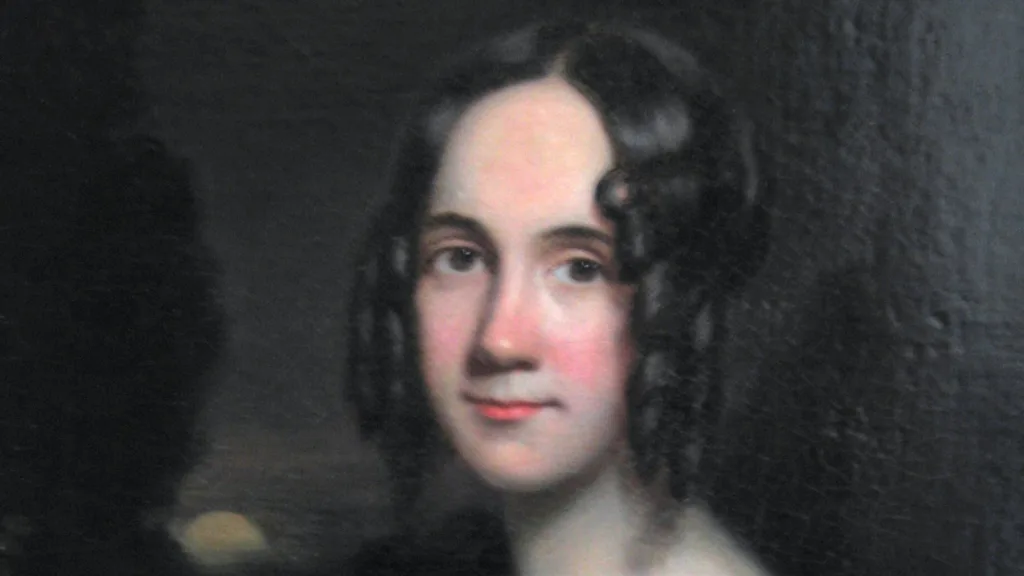
In 1863, the last Thursday of November fell on Nov. 26, the same date as this year’s Thanksgiving. It was the first time a president asked the whole country to give thanks on one day, and the request came after a letter from a 74-year-old magazine editor in Philadelphia.
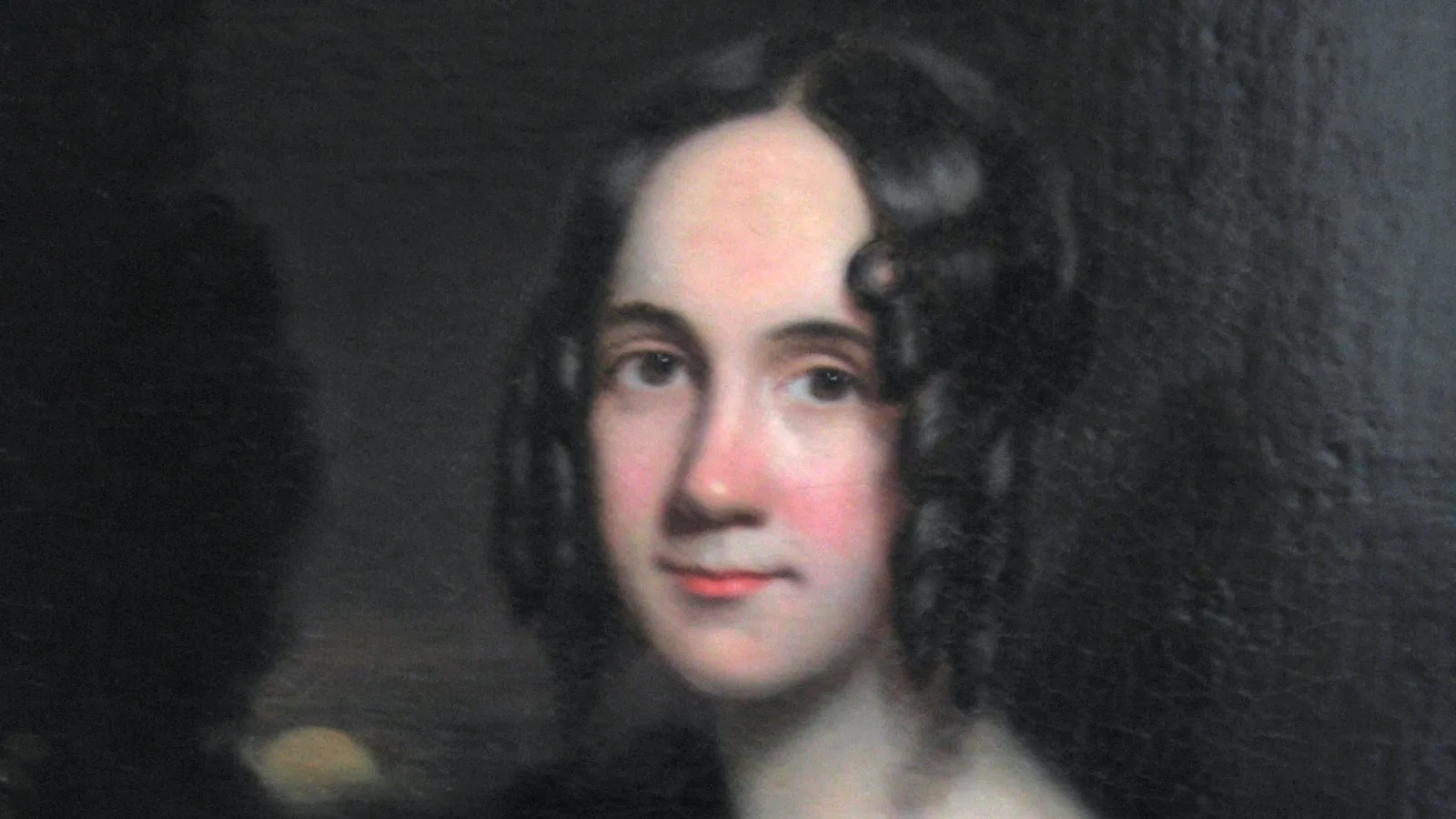
Her name was Sarah Josepha Hale. By then she had spent about 15 years lobbying governors, diplomats and naval officers for a single national Thanksgiving, and she had the platform to do it: she edited Godey’s Lady’s Book, which the Library of Congress calls the most recognized and influential periodical for women of its time.
On Sept. 28, 1863, she wrote to Abraham Lincoln. The letter, now in the Lincoln papers at the Library of Congress, is two pages long and businesslike. She asked “to have the day of our annual Thanksgiving made a National and fixed Union Festival.”
A widow who needed the work
Hale was born in New Hampshire in 1788 to parents who believed daughters should be educated the same as sons, and she was far better schooled than most young women of her era. Her husband, David Hale, an attorney, died young and left her with five children, according to the Library of Congress. Writing became how she supported them.
Her first novel, Northwood, came out in 1827 and gave readers a long description of a New England Thanksgiving dinner. A few years later she published a book of children’s verse that included “Mary Had a Little Lamb,” the work most people still know her by without knowing her name.
She became editor of the Ladies’ Magazine in Boston in 1828. When it was sold in 1837 and merged into Louis Godey’s Lady’s Book, she became that magazine’s editor, later moving to Philadelphia, where it was published, and stayed in the job until 1877, a run of 40 years.
Her views do not fit neatly into modern categories. She opposed women’s suffrage and believed women’s influence belonged in the home. She also used the magazine to argue for women’s education and for married women’s right to own property.
The pitch to Lincoln
By 1863, Thanksgiving was common in the North but was still set state by state, by each governor, on whatever day he chose. Hale’s letter laid out the problem. Getting every state to fix the date by law “would require years to be realized,” she wrote, so a proclamation from the president “would be the best, surest and most fitting method of National appointment.”
She even supplied the legal argument. The president, she pointed out, had authority over the District of Columbia, the territories, the Army and Navy, and Americans abroad. He could declare the day for them and invite the governors to follow. She mentioned that she had also written to Secretary of State William H. Seward, a friend, asking him to raise it with Lincoln.
She asked Lincoln to name “the last Thursday in November (which falls this year on the 26th)” and to act fast, “so as to reach all the States in season.” Five days later, on Oct. 3, Lincoln issued a proclamation asking Americans “to set apart and observe the last Thursday of November next, as a day of Thanksgiving and Praise.”
The timing mattered. The proclamation came three months after Gettysburg and in the middle of the war. The Confederate states did not consider themselves bound by it, but every president after Lincoln kept up the annual proclamation, and the late-November date stuck.
What came after
Congress made Thanksgiving a legal holiday in 1870. The date stayed loose: it was whatever Thursday the president proclaimed, usually the last one in November. That changed after Franklin Roosevelt moved the holiday a week earlier in 1939 to lengthen the Christmas shopping season, a decision that split the country for two years. In 1941 Congress settled it by law as the fourth Thursday in November, the rule still in place.
Hale lived to see the holiday become routine. She retired from the magazine in 1877 at 89 and died in Philadelphia in 1879.
Her letter is easy to read in full on the Library of Congress site, and the handwriting is clear. It is a rare case of a holiday whose origin can be traced to a single sheet of paper and a person who simply would not stop asking. Other pieces on the people behind familiar institutions are on our Profiles page, including the story of how the crossword was born in a Christmas supplement, and our look at why official calendars rarely line up.