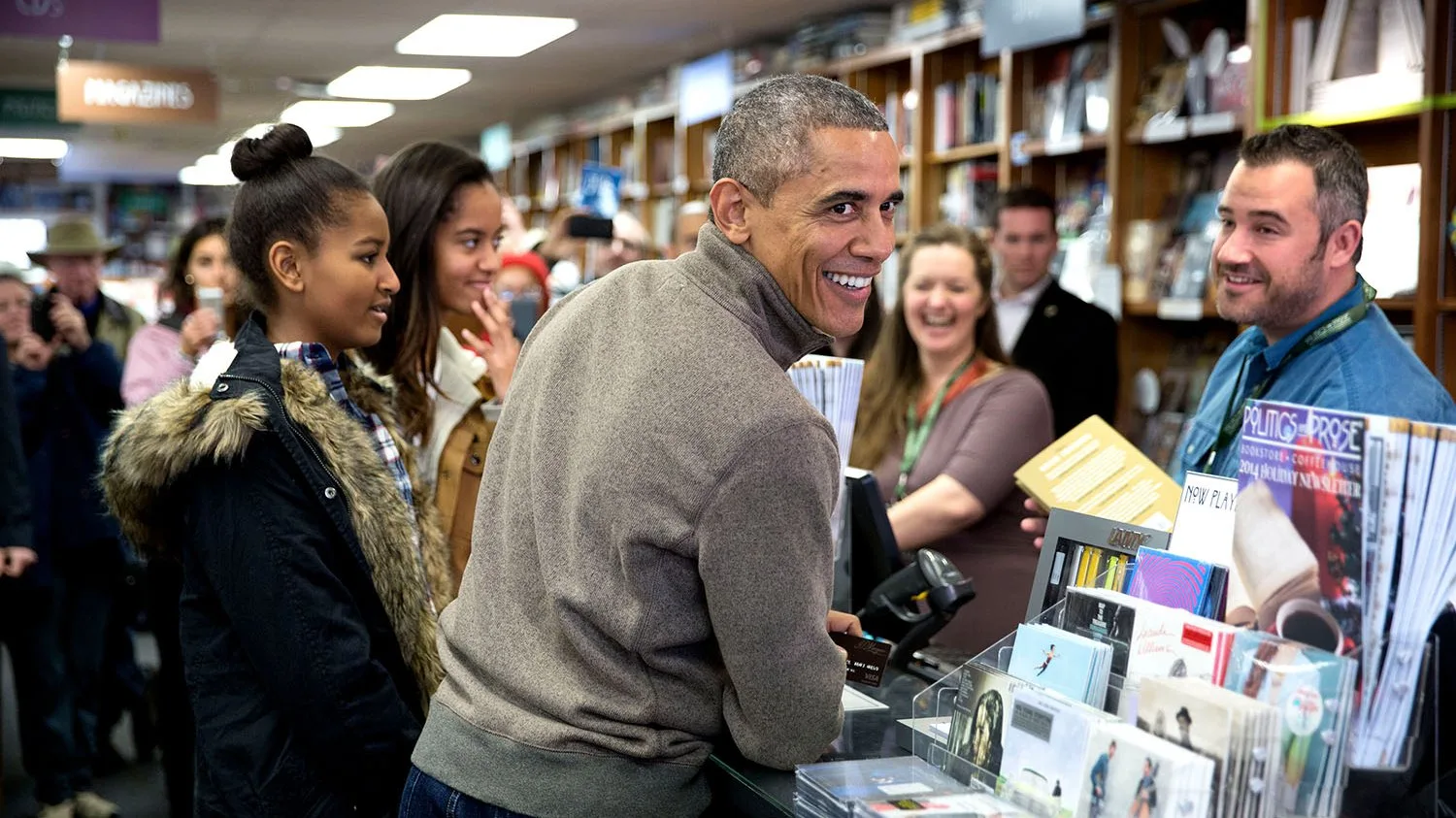
Black Friday belongs to retailers. Cyber Monday was coined by an online retail trade group. The day in between, Small Business Saturday, was invented by a credit card company.
American Express created Small Business Saturday in 2010, and it still runs the campaign behind it. This year it falls on Nov. 28. Here is how the day works, what the company’s own research does and does not show, and how to make a purchase count if supporting a local shop is the point.
Where it came from
The company says so plainly. “Since creating Small Business Saturday in 2010, we’ve encouraged consumers to discover and support the businesses in their neighborhoods,” Elizabeth Rutledge, American Express’s chief marketing officer, said in the company’s Nov. 12 announcement of this year’s campaign, distributed through Business Wire.
The timing was not subtle. The first Small Business Saturday came during the slow recovery from the Great Recession, and it gave independent stores a hook on the busiest shopping weekend of the year, wedged between big-box doorbusters and online sales. It also put the American Express name in front of thousands of small merchants.
The card business is still part of the pitch. In the same announcement, the company noted that American Express is accepted at “99% of places that take credit cards in the U.S. since the end of 2019,” and that average annual spending on its cards is three times that of cards on other networks, citing the Nilson Report.
What the 2026 survey says
Each fall American Express publishes a Shop Small Impact Study. The 2026 version found that 88% of consumers agreed they are likely to shop at small businesses this holiday season, which the company called the highest level since 2012.
Among small business owners, 70% said holiday spending will affect their ability to grow in 2027, 80% said Small Business Saturday can help build lasting customer relationships, and 90% said they expect to use AI tools during the season for marketing, operations or personalization.
Consumers said they find small businesses mainly through recommendations from friends and family (65%), followed by customer reviews (45%) and social media posts (39%).
How to read those numbers
The fine print matters. According to the release, the study consisted of two online surveys conducted by the firm Teneo on behalf of American Express. The consumer survey reached 1,008 U.S. adults from Sept. 9 to 11, weighted to match census figures on age, sex, region, race and education. The business survey reached 503 owners or managers of non-franchise businesses with 2 to 99 employees and a physical sales location in retail, restaurants and hospitality, arts and recreation, or personal services.
Two cautions follow. First, saying you are “likely” to shop small is not the same as doing it, and the survey measures intentions, not receipts. Second, the business sample is a narrow slice of what the government counts as small. The U.S. Small Business Administration sets size standards by industry, and many companies with hundreds of employees still qualify. A sole proprietor with no staff would not have been surveyed at all.
None of that makes the findings useless. It means they describe the mood of shoppers and storefront owners heading into the weekend, from a company with a stake in the answer.
What American Express is offering
The company says it provides free Shop Small decals, signs and marketing materials to merchants, runs a Shop Small map to help customers find participating businesses in the U.S., and offers targeted Amex Offers to cardholders. It said it had provided nearly $40 million in grants and direct support to more than 4,000 small businesses through the end of 2025, and awarded more than $10 million in 2026 to more than 500 businesses through its Shop Small grants program, at $20,000 each.
The announcement did not describe a national statement credit for cardholders this year. Anyone expecting one should check the offers in their own account rather than assume.
Making it count
For shoppers, the practical advice is simple. Local business districts often add their own incentives on the day, such as gift-card bonuses, trolleys or receipt drawings, so it is worth checking the downtown association’s website before heading out. Buying a gift card from a local shop moves money to it now, during the season that matters most, even if the recipient spends it in January.
Small businesses also pay processing fees on card sales, so it is reasonable to ask whether a shop prefers a particular payment method.
For more on the holiday’s history, see our profile of Sarah Josepha Hale, the editor who pushed Lincoln to fix Thanksgiving’s date. For year-end money planning, see our explainers on next year’s 401(k) limit and Social Security’s 2027 increase.