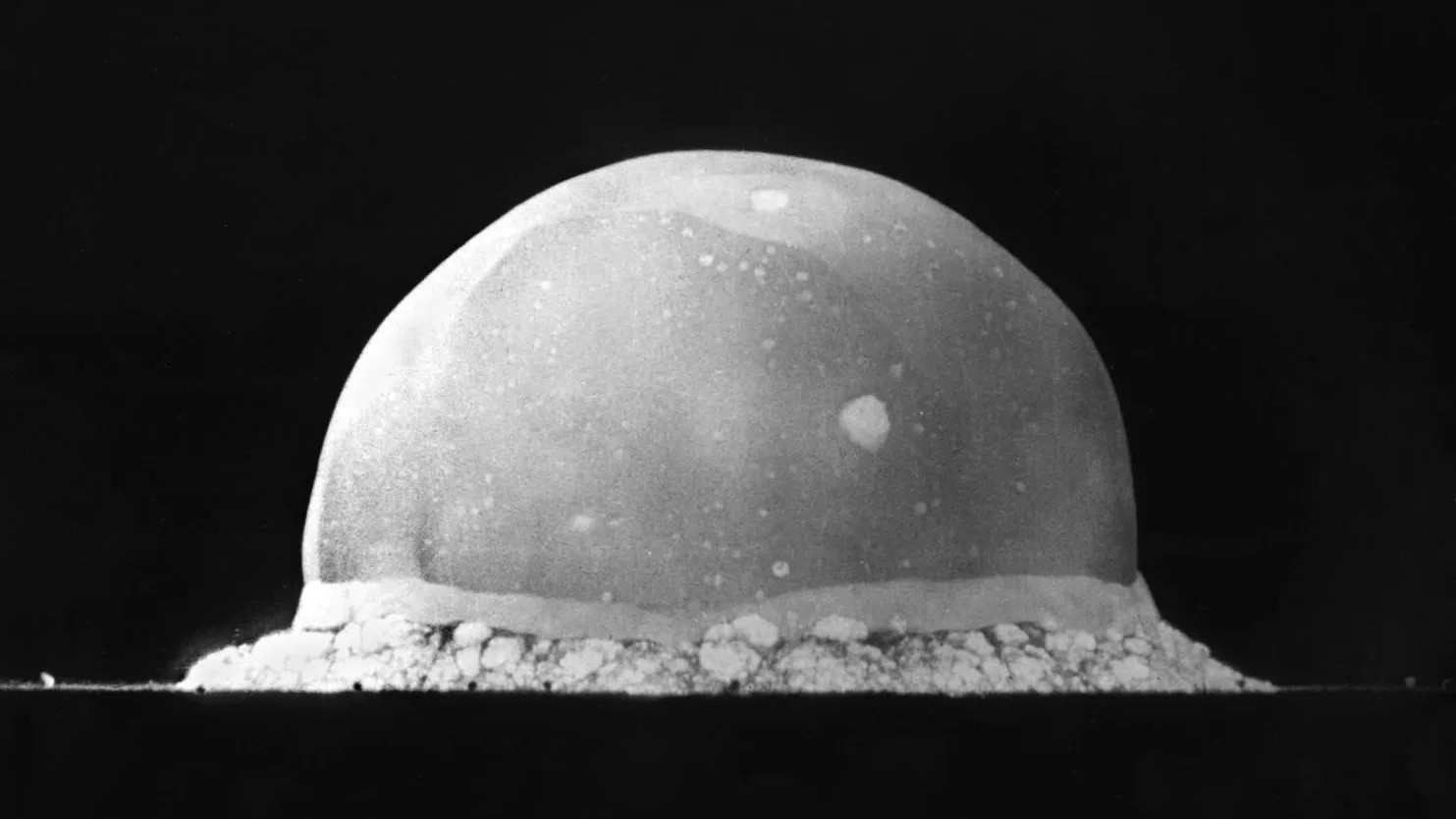
How many nuclear weapons are there in the world? The honest answer is that nobody outside a few governments knows exactly, and some of those governments keep the number secret. What we have instead are careful public estimates, and they are good enough to give a clear picture.
The nine
Nine countries are generally accepted to have nuclear weapons: the United States, Russia, the United Kingdom, France, China, India, Pakistan, Israel and North Korea. The first five are recognized as nuclear-weapon states under the 1968 Treaty on the Non-Proliferation of Nuclear Weapons. India, Pakistan and North Korea built arsenals outside the treaty. Israel has never officially confirmed or denied having nuclear weapons, a policy often called nuclear opacity, though its arsenal is widely assumed to exist.
One country gave them up: South Africa built a small number of weapons in the 1980s and dismantled them before joining the treaty in 1991.
The numbers
The Stockholm International Peace Research Institute (SIPRI) and the Federation of American Scientists publish the most widely cited estimates. SIPRI’s 2025 yearbook put the global inventory at roughly 12,200 warheads at the start of that year. Russia and the United States together hold close to 90 percent of them, each with somewhere above 5,000 warheads in total inventory, including retired weapons awaiting dismantlement. China’s arsenal, around 600 warheads, is the fastest growing. France and the United Kingdom hold a few hundred each, India and Pakistan somewhat fewer, Israel an estimated 90, and North Korea an estimated 50 or so, with material for more.
The global total is far below the Cold War peak of about 70,000 warheads in the mid-1980s. Arms control treaties and the retirement of old systems account for most of the drop.
How researchers count
Estimates combine official disclosures, where they exist, with budget documents, satellite imagery of bases and missile fields, statements by officials, and analysis of delivery systems: how many missiles, bombers and submarines a country has and how many warheads each can carry. The United States has periodically declassified its stockpile size. Russia and China publish far less.
Why transparency matters
Arms control depends on being able to check. The New START treaty between the U.S. and Russia, which limited deployed strategic warheads and allowed on-site inspections, has been under severe strain since Russia suspended its participation in 2023, and the treaty was set to expire in February 2026. With inspections halted, public estimates from independent researchers have become more important, not less.
Sources: SIPRI Yearbook, Stockholm International Peace Research Institute; Status of World Nuclear Forces, Federation of American Scientists; Nuclear Weapons: Who Has What at a Glance, Arms Control Association.