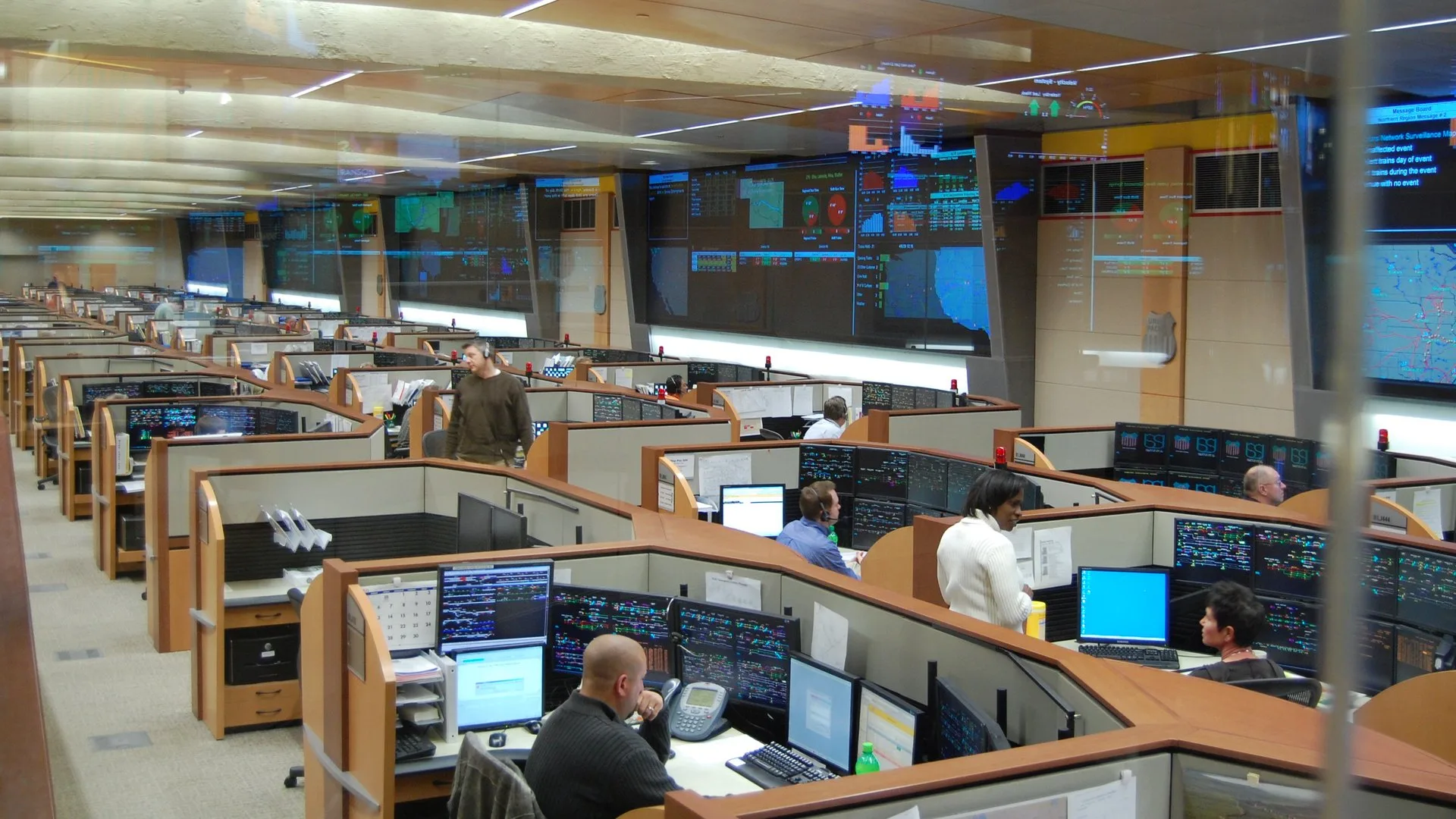

Most office chairs are designed around one person sitting a normal workday, with breaks. Put the same chair at a security desk, a hospital nurses’ station, a 911 dispatch center or a factory control room, where it is occupied around the clock by people of every size, and it will wear out fast. That is the market for 24-hour or “intensive use” chairs.
What is different about them
- Higher weight ratings. Round-the-clock chairs are usually tested for heavier users and more cycles than standard chairs.
- Denser, more durable foam. Cheap foam compresses and bottoms out under constant use. Higher-density foam keeps its shape much longer.
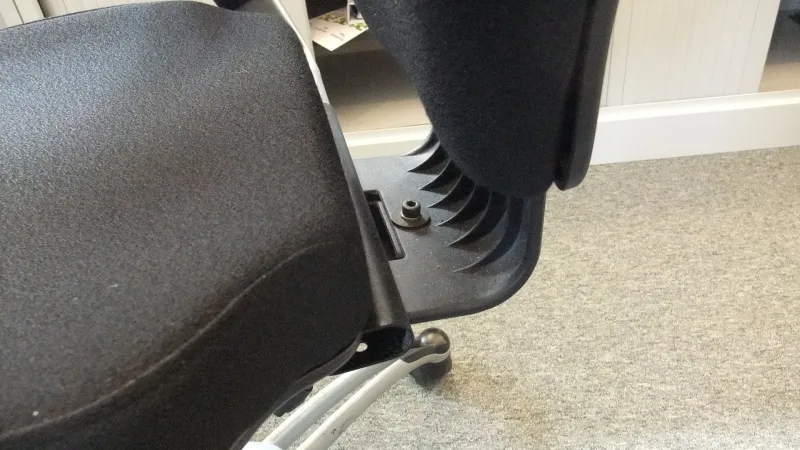
- Heavier mechanisms and bases. Steel or reinforced bases, stronger gas cylinders and tilt mechanisms built for constant adjustment by different users.
- Tougher, cleanable fabric. Upholstery chosen to resist abrasion and to be wiped down between shifts.
- Easy adjustment. Because the chair changes hands every shift, controls need to be simple and obvious.
When a regular chair is fine
If you get up and move around a lot, sit for part of the day or work at a reception desk in a busy spot, a good standard task chair is usually enough. In tight or high-traffic areas, a compact chair that is easy to get in and out of matters more than a 24-hour rating.
When it is worth paying more
If a chair is occupied nearly all the time, the cheaper option is often the more expensive one. Replacing worn chairs every year or two, and dealing with sore backs and complaints from the people who sit in them, adds up quickly. Look for chairs explicitly tested and warrantied for multi-shift use, and check that the warranty covers 24-hour operation, since some standard warranties do not.
For the general checklist, see what to look for in an office chair.
Sources: BIFMA (Business and Institutional Furniture Manufacturers Association) standards; Computer Workstations eTool: Chairs, OSHA.