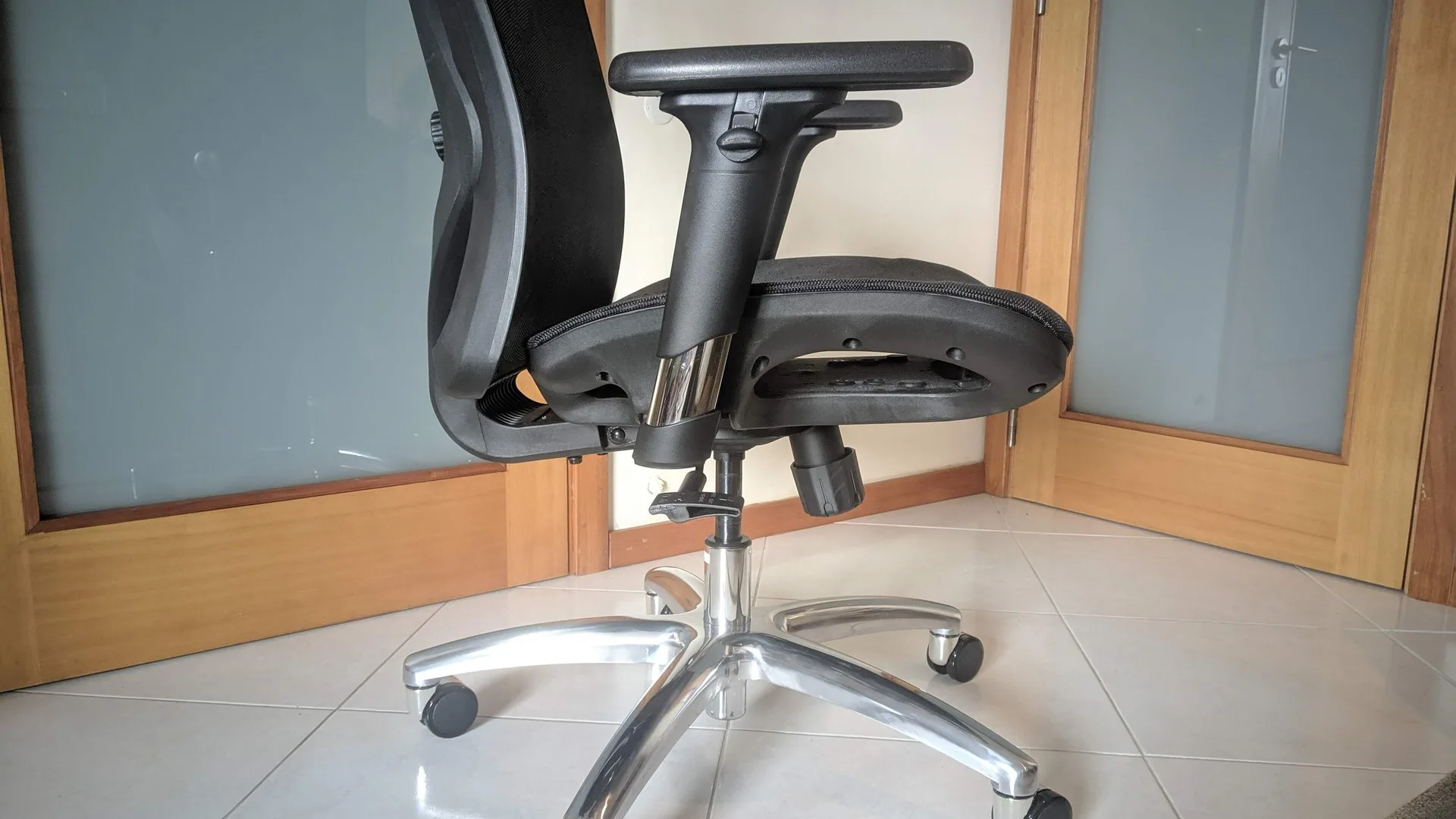
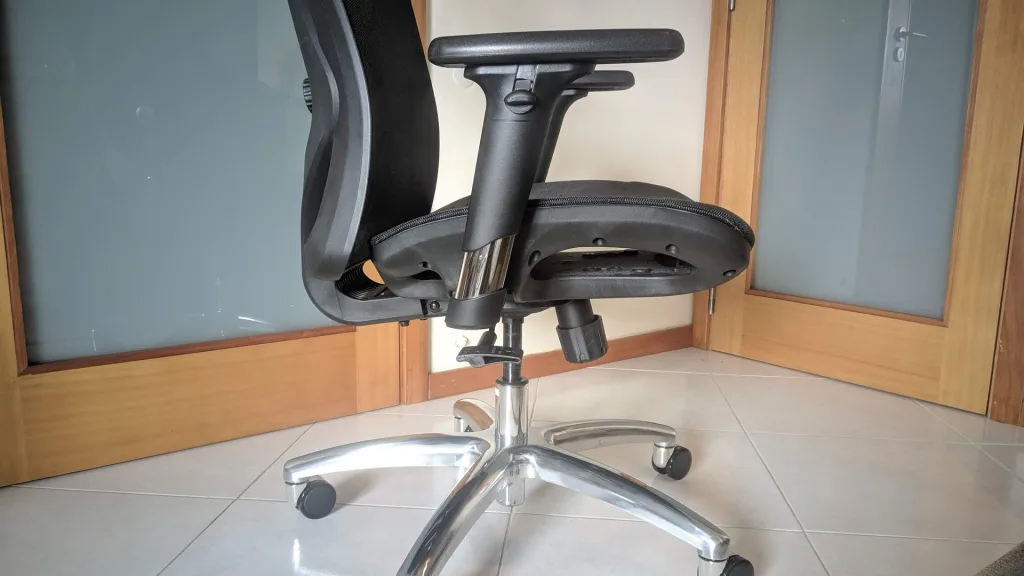
Mesh office chairs once looked like something out of a science-fiction set. The breakthrough design was Herman Miller’s Aeron, introduced in 1994, with a seat and back of stretched woven fabric instead of foam. It became a symbol of the dot-com office, showed up on television and movie sets, and ended up in the permanent collection of the Museum of Modern Art. Today mesh backs are standard at every price point.
What mesh does well
The big advantage is airflow. A foam backrest traps heat against your back; mesh lets it escape. In a warm office, or a home office without good air conditioning, the difference is obvious within an hour. Mesh also flexes with the body and spreads pressure, so a well-made mesh back can feel supportive without thick padding. And it does not hold onto spills and odors the way upholstery can.
Where foam still wins
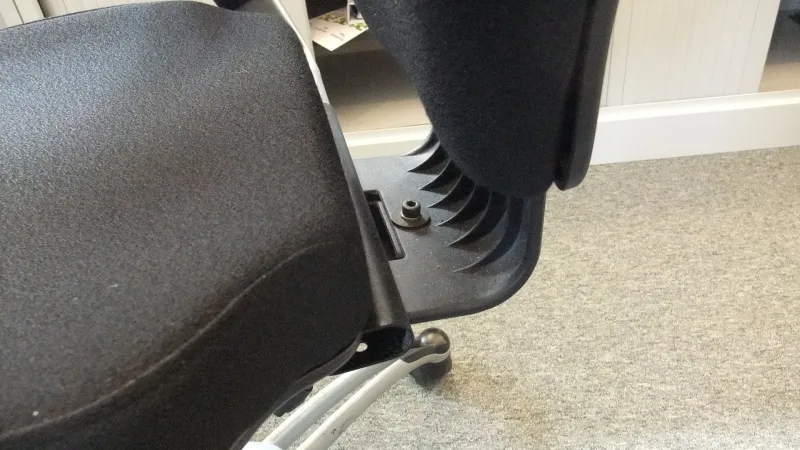
Some people simply find mesh seats too firm or feel the edge of the frame under their thighs. Cheap mesh can sag or loosen over time, and once it does it rarely recovers. In a cold office, a padded chair is warmer. Many chairs now split the difference with a mesh back and a foam seat.
What to check
- Tension. Good mesh is taut, not trampoline-loose. Press your hand into it; it should push back.
- The frame edge. Sit and feel for a hard rim under your thighs or across your shoulder blades.
- Lumbar support. Mesh alone rarely supports the lower back enough. Look for an adjustable lumbar pad.
- Warranty on the mesh itself. Reputable makers cover the fabric for years.
For the rest of the buying checklist, see what to look for in an office chair.
Sources: Aeron chair, Wikipedia; Aeron chair, Wikipedia; Computer Workstations eTool: Chairs, OSHA.