There was a time when a road trip began with a folded map spread across the kitchen table. You traced the route with a finger, noted the towns along the way, and then, inevitably, fought about how to fold it back up. That ritual has mostly vanished. A voice on a phone now tells us when to turn, and we obey.
That is a real convenience, and nobody should pretend otherwise. GPS navigation gets people where they need to go, reroutes around traffic, and has saved countless arguments. But something has been lost, and it is not only nostalgia.
What the research says
Researchers at University College London found in a 2017 study that when people navigated a simulated London with the route chosen for them, activity in the hippocampus, a part of the brain involved in memory and navigation, was lower than when they planned routes themselves. Other studies have found that heavy GPS users tend to do worse at spatial memory tasks. Earlier work on London’s taxi drivers, who memorize the city’s maze of streets, found differences in the hippocampus linked to their training.
The research is still developing, and correlation is not cause. But it suggests a sensible idea: skills we never practice tend to weaken.
What a map gives you
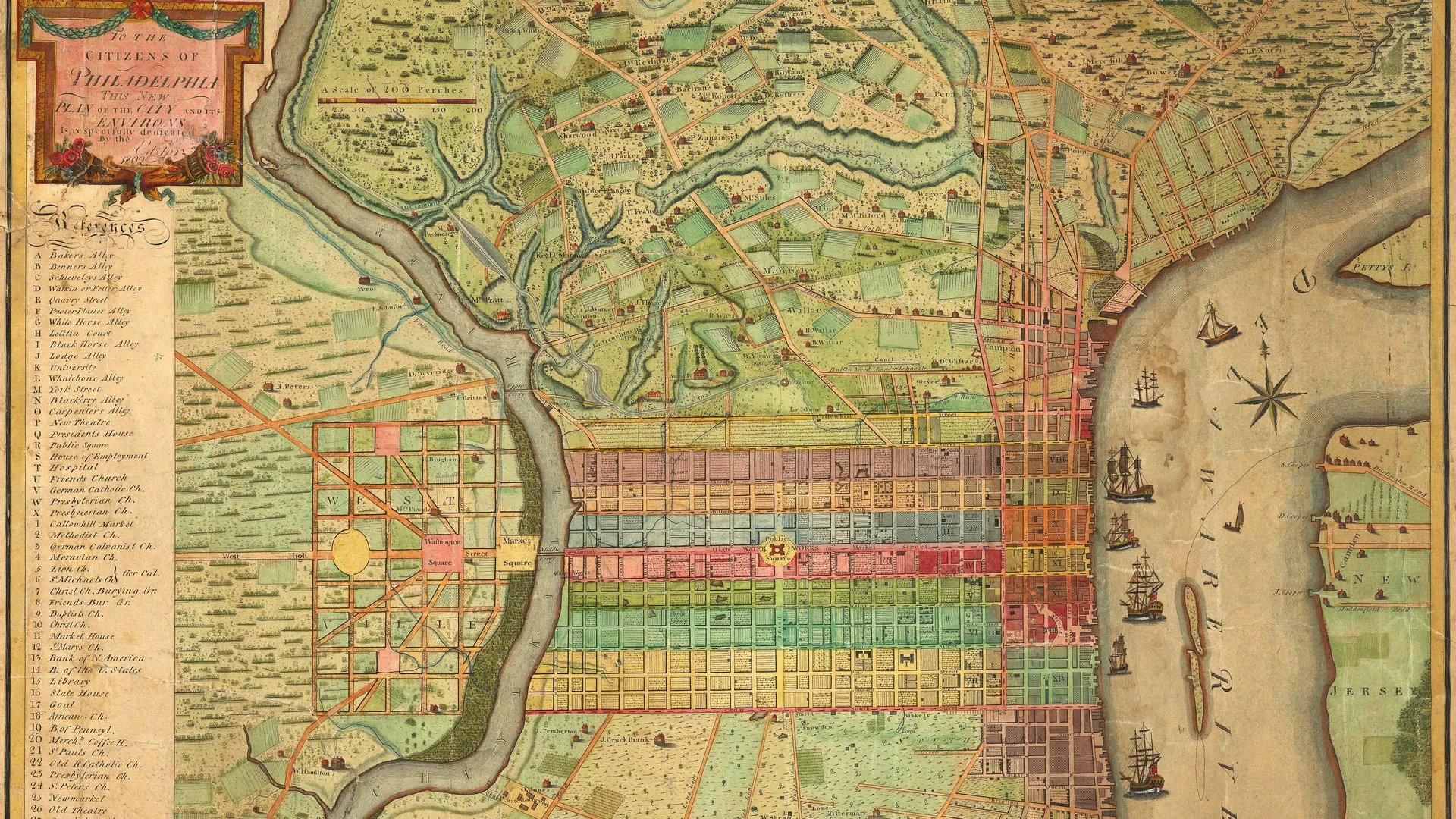
A map shows the whole picture, not just the next turn. You see the river you are following, the town just over the hill, the scenic road you did not know about. You build a mental model of a place, which is why people who learned a city by map can often still find their way when the phone dies.
A small habit
Nobody needs to give up GPS. But try looking at the overview before you go. Pick out a landmark or two. Every so often, navigate somewhere familiar without help. And keep a paper map in the glove compartment, for the day the signal drops in the middle of nowhere.
Sources: Javadi et al., “Hippocampal and prefrontal processing of network topology to simulate the future,” Nature Communications (2017); Dahmani & Bohbot, “Habitual use of GPS negatively impacts spatial memory,” Scientific Reports (2020); Hippocampus, Wikipedia.