In 2003, Gourmet magazine sent the novelist David Foster Wallace to the Maine Lobster Festival in Rockland. The essay he turned in, “Consider the Lobster,” published in August 2004, was not the cheerful travel piece the magazine might have expected. It asked readers whether it is acceptable to boil a creature alive for our enjoyment, and it took an uncomfortable look at what it means to be a tourist.
The lobster question
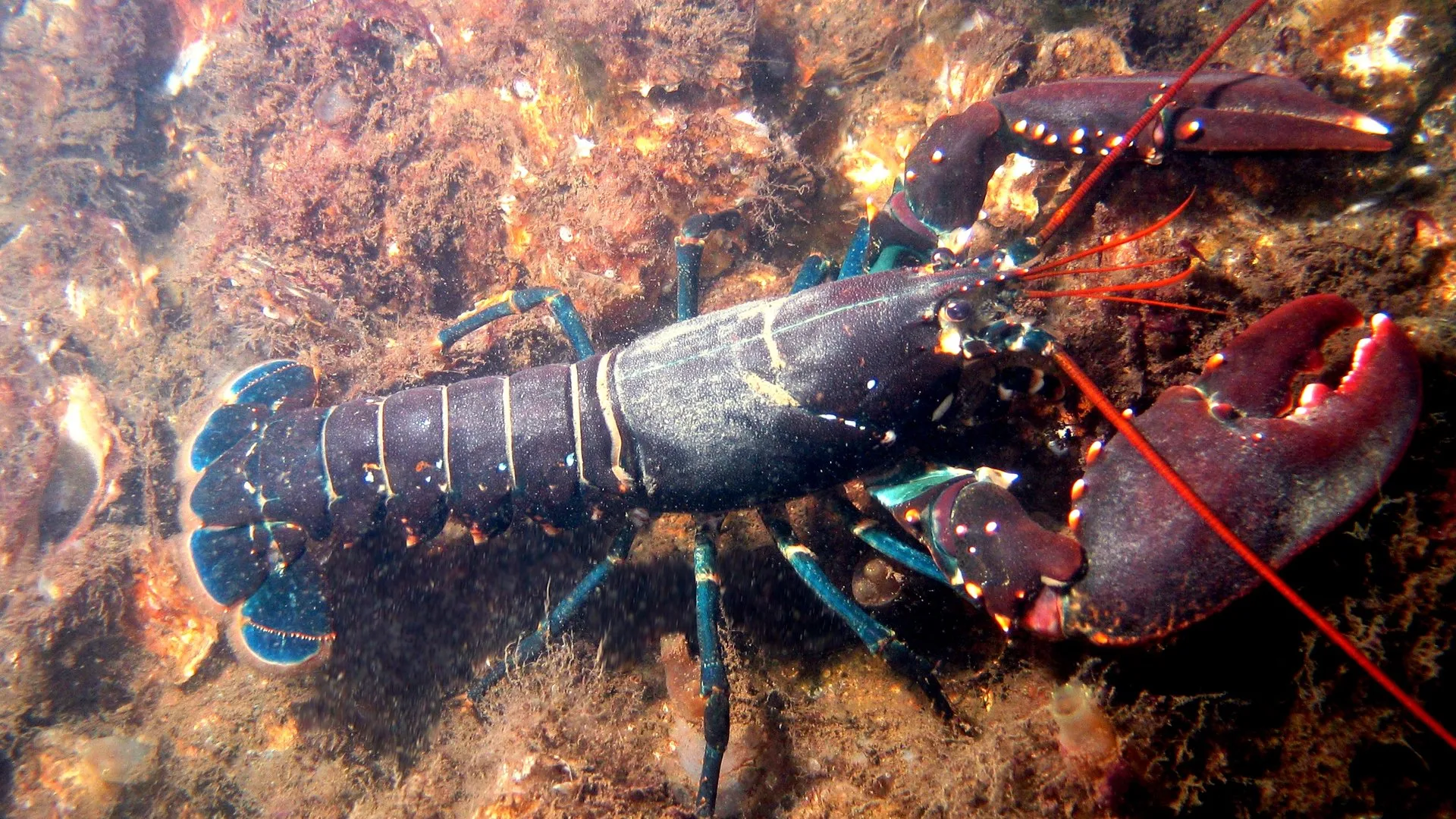
Wallace did not tell readers what to think. He laid out the evidence that lobsters might feel pain, described the thrashing in the pot, and asked why we prefer not to consider it. Since then, science has moved in his direction. A 2021 review commissioned by the British government concluded there was strong evidence that decapod crustaceans, including lobsters and crabs, are sentient, and the UK added them to its animal welfare law in 2022. Switzerland had already banned boiling lobsters alive without first stunning them in 2018.
The tourist question
Wallace was just as hard on the festival itself: the crowds, the lines, the sense that the experience being sold was not really the one people got. His complaint, about the tourist as someone who consumes a place and slightly spoils it by arriving, has become a mainstream policy issue.
Venice began charging day-trippers an entry fee in 2024. Barcelona, Amsterdam and Kyoto have all tried to limit crowds. Popular national parks in the U.S., including Yosemite and Arches, have used timed-entry reservations. The question is not whether people should travel, but how many can visit a place before it stops being the place they came to see.
Why the essay lasts
Some places exist for crowds, such as Las Vegas or a stadium on game day, and lose their point when empty. Others, such as a quiet harbor town or a wilderness trail, change with every bus. Wallace’s gift was to make readers notice the cost of their pleasures without ruining the pleasures entirely. That is worth considering on the next trip, lobster or not.
Sources: Consider the Lobster, Wikipedia; Review of the Evidence of Sentience in Cephalopod Molluscs and Decapod Crustaceans, London School of Economics (for the UK government); Overtourism, Wikipedia.