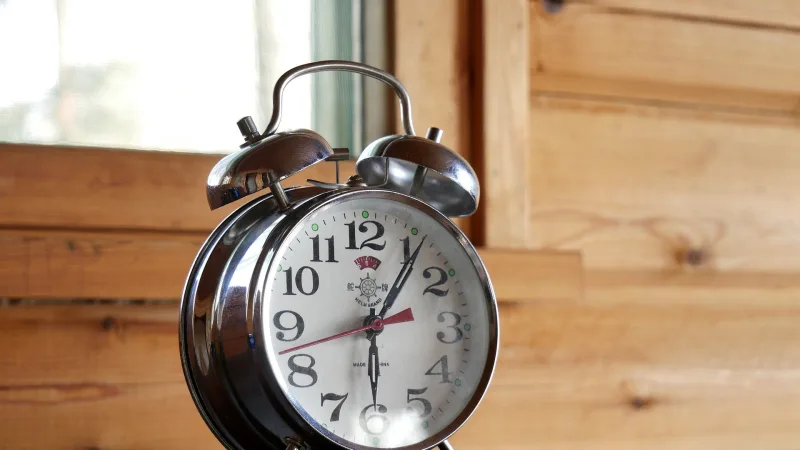
Every so often, the world’s official clocks have paused for a beat. Since 1972, timekeepers have added 27 “leap seconds” to Coordinated Universal Time (UTC), usually at the end of June or December, so that the clock showed 23:59:60 before rolling over to midnight. That practice is ending.
Two kinds of time
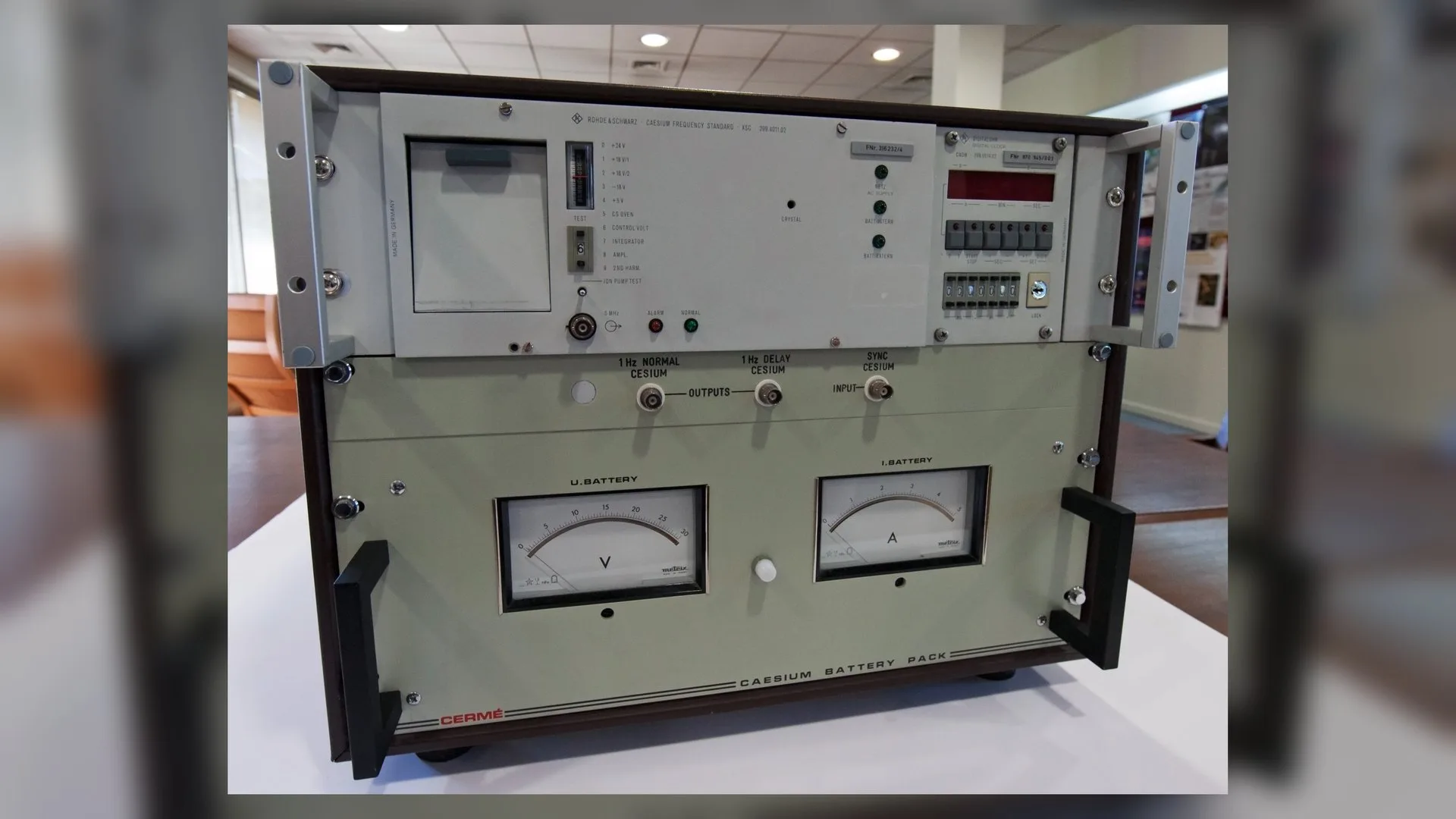
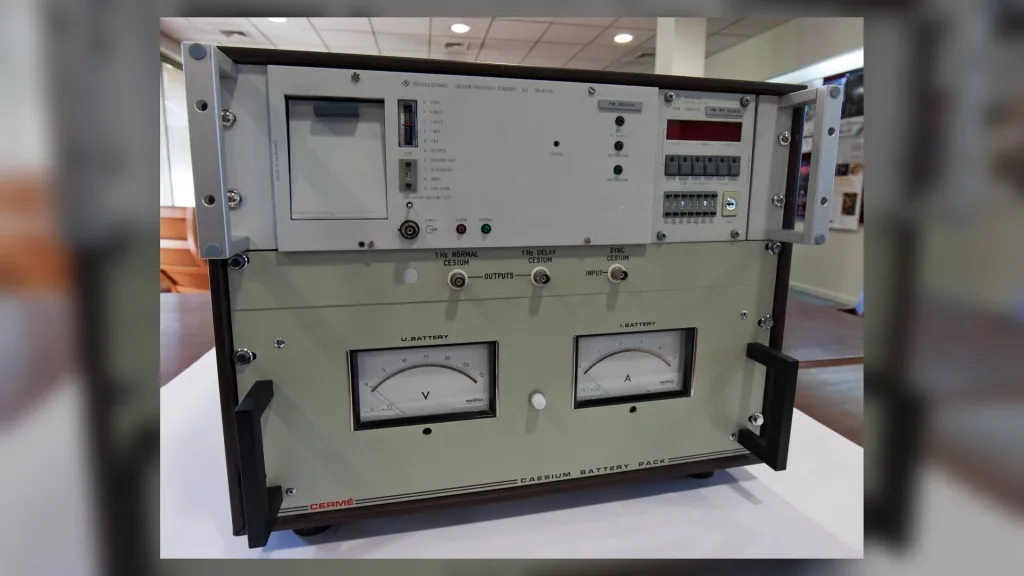
The problem is that we measure time two ways. Atomic clocks, which count the vibrations of cesium atoms, are astonishingly steady. Earth’s rotation, which gives us the day, is not. Tides, the planet’s molten core, earthquakes and even melting ice make it speed up and slow down by tiny amounts. Leap seconds were invented to keep atomic time within 0.9 seconds of solar time.
Why get rid of them?
Computers hate leap seconds. They arrive irregularly, announced only months ahead, and a minute with 61 seconds can trip up software that assumes every minute has 60. A leap second in 2012 caused outages at several websites and airline systems. Big tech companies developed workarounds that “smear” the extra second across hours, which means different systems do not always agree on the time.
In November 2022, the General Conference on Weights and Measures, the international body that oversees measurement, voted to stop adding leap seconds by 2035 and to allow the gap between atomic time and Earth’s rotation to grow larger. How large, and what to do about it eventually, is still to be decided.
A new twist
Recently, Earth has been spinning slightly faster on average, raising the possibility of the first-ever negative leap second, removing a second rather than adding one. No software has ever had to handle that, which made the case for abolishing leap seconds even stronger. For everyday life, the change will be invisible. The sun will still rise when you expect it to, give or take a minute that nobody alive today will notice.
Sources: CGPM 2022 Resolution 4, International Bureau of Weights and Measures; Leap Seconds FAQs, NIST; Leap second, Wikipedia.