Anyone who has kept large snakes has a story about the one that got out. Pythons and boas are not fast, but they are strong, curious and endlessly patient, and an enclosure that looks secure to a person can look like a puzzle to a six-foot snake with nothing else to do all day.
How they get out
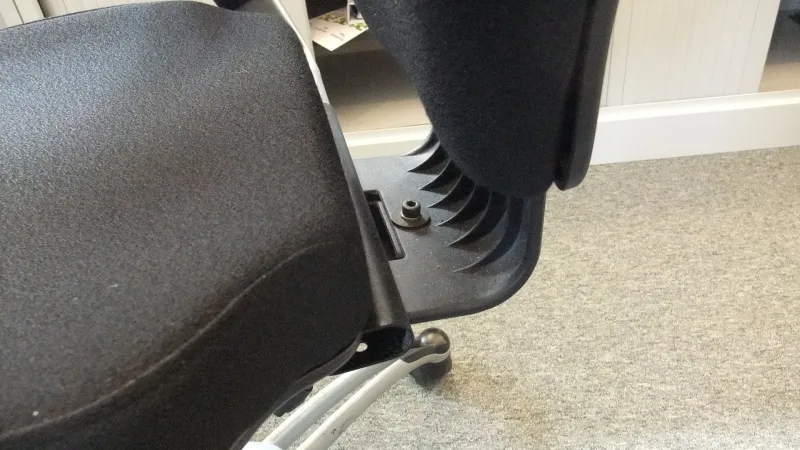
Most escapes come down to three things: a lid or door left slightly open, a gap the keeper did not think a snake could fit through, or a door the snake learned to move itself. That last one surprises people. A heavy-bodied snake can brace against the back wall of a tank and press against a sliding glass or plastic door until it creeps open. Once there is an inch of space, the head goes through, and where the head goes the rest follows. It is often a big snake that opens the door and a smaller one that uses it.
Keepers who switch to locking clips, latched front-opening doors, or a simple block of wood in the door’s track often find the escapes stop overnight.
Where they go
Snakes are cold-blooded, so an escaped snake heads for warmth and cover. The first places to check:
- Behind and under appliances that run warm, especially refrigerators, dryers, water heaters and the backs of televisions.
- Inside folded blankets, quilts, laundry piles and couch cushions. A stack of quilts next to the cage is a classic hiding spot.
- Under heavy furniture such as pianos, dressers and beds, especially where they sit against an outside wall.
- Any hole into a wall, floor or ceiling: gaps around pipes, missing vent covers, unfinished drywall.
That last group is the dangerous one. A snake that slips into a wall cavity may not find its way back out, and in a cool house it can weaken and die there. Walk the room with a flashlight and look for gaps along baseboards and behind furniture. A snake about as thick as a broom handle fits through a surprisingly small hole.
How to find one
Keep the room warm and quiet, and close the doors so the snake cannot range further. Put a heat mat or a warm hide box on the floor near the walls, where it is easy to check. Some keepers dust a thin line of flour along the walls at night and follow the tracks in the morning. Check the warm spots every few hours, especially after dark.
A healthy python can go weeks without eating, so a missing snake is in no hurry to show up. Tell everyone else in the house, and if you rent, tell the landlord before the neighbors find it for you.
Why it matters beyond the living room
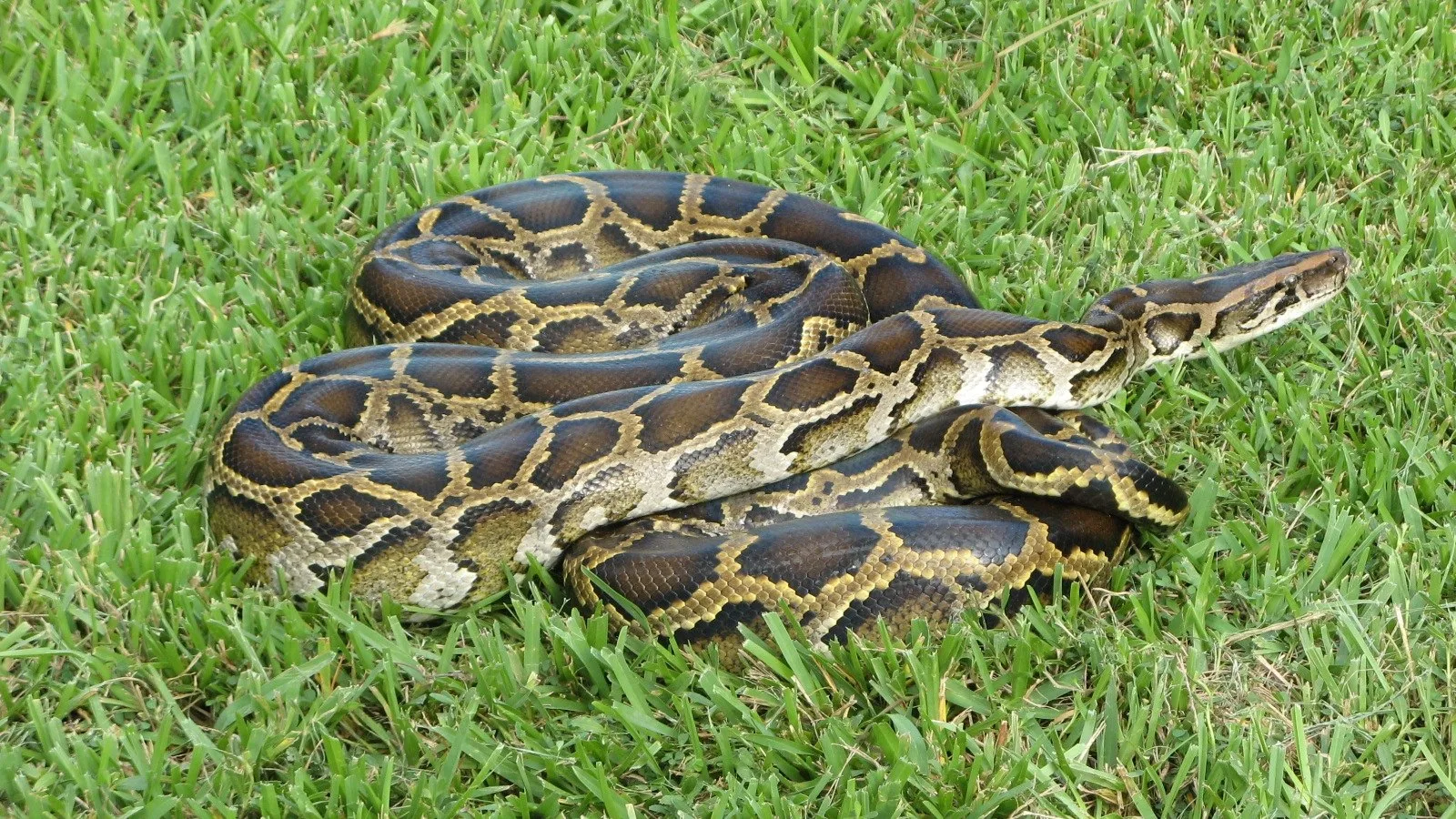
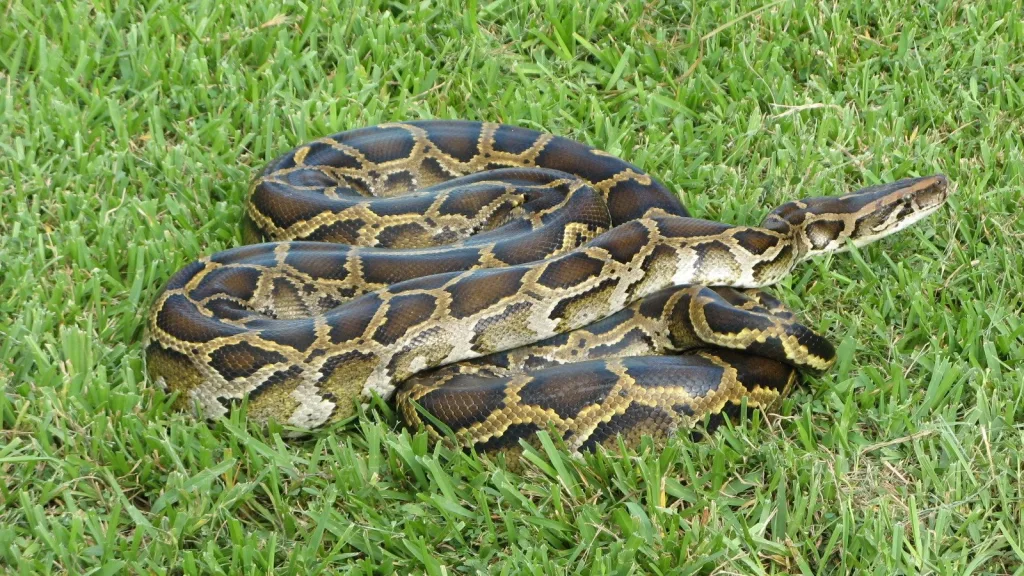
Escaped and released pet pythons are part of the reason Florida has a breeding population of Burmese pythons in and around the Everglades, where they have been linked to steep declines in small mammals. Florida added Burmese pythons and several other large constrictors to its prohibited species list in 2021, which bars new pet ownership. Other states regulate big constrictors too, so check local rules before buying one.
The lesson every keeper learns eventually is the same: the enclosure is only as strong as its weakest gap, and the snake has all day to find it.
Sources: Burmese python, Florida Fish and Wildlife Conservation Commission; Burmese pythons in Florida, Wikipedia; Burmese python, Wikipedia.