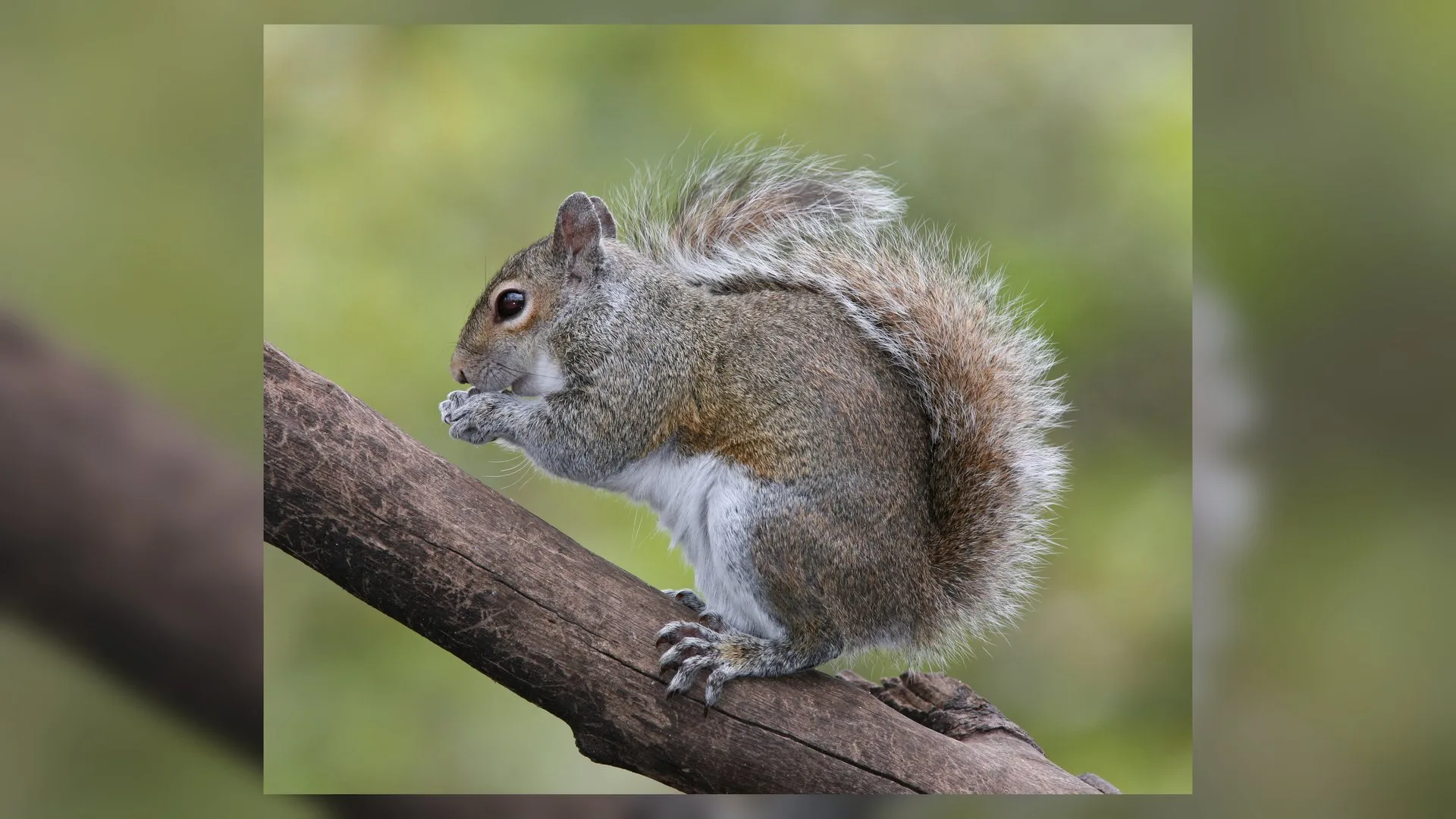
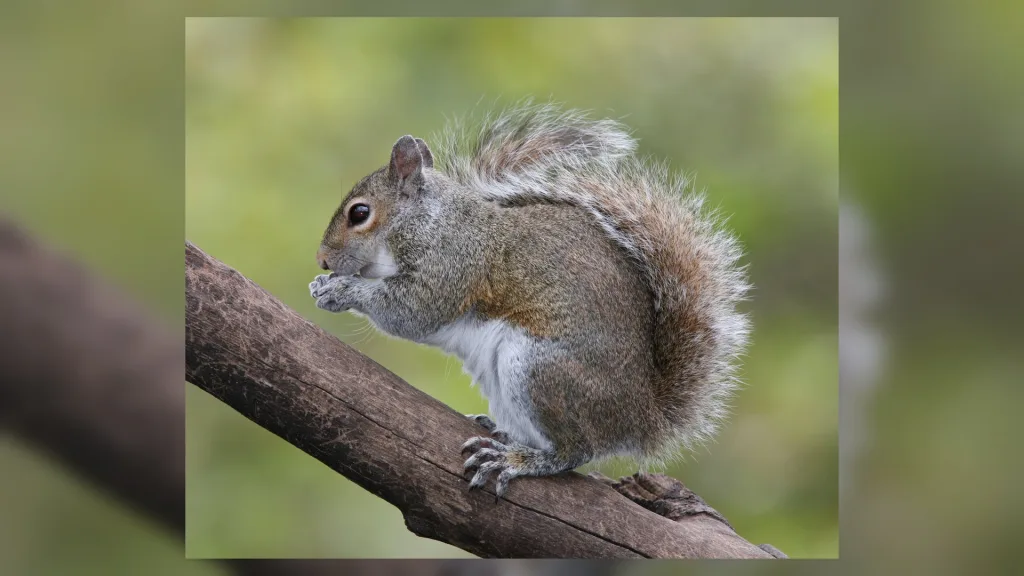
Mid-century classroom films had a favorite star: a squirrel, a pile of nuts and an increasingly elaborate set of ramps, tubes and gates between them. The squirrel always got the nut. Kids loved it, and the lesson was simple enough: animals learn.
Backyard bird-feeder owners would add that squirrels learn rather too well. Researchers have spent the past couple of decades putting numbers on it.
They get faster with practice
At the University of Exeter in England, psychologist Pizza Ka Yee Chow and colleagues gave wild-caught gray squirrels puzzle boxes with hazelnuts inside. The squirrels got quicker at solving a puzzle each time they saw it, and when the researchers switched the solution, squirrels that had learned the first version adapted. Animals that were persistent and willing to try different tactics did best. Chow’s team also found squirrels remembered a solved puzzle well after a long gap.
They organize their pantry
At the University of California, Berkeley, researchers Mikel Delgado and Lucia Jacobs studied fox squirrels burying nuts on campus. In a study published in 2017, they reported that squirrels tended to group their caches by nut type when they were handed nuts one kind at a time, a strategy that may make finding them later easier. Psychologists call it chunking, the same trick people use to remember a phone number.
Squirrels also seem to stage fake burials when they think they are being watched, digging a hole and covering it without leaving a nut, a behavior seen in gray squirrels in experiments by researchers at Wilkes University in Pennsylvania.
Why it matters
A squirrel’s whole winter depends on finding food it hid months earlier, often under snow, and on getting to new food before a rival does. That is a strong pressure toward memory and flexible problem solving. The old films were right about the basic point. They just undersold it.
If you are trying to keep squirrels off a bird feeder, the research suggests a sobering lesson: they will keep testing it, and every failure teaches them something.
Sources: Eastern gray squirrel, Wikipedia; Delgado and Jacobs, “Caching for where and what: evidence for a mnemonic strategy in a scatter-hoarder,” Royal Society Open Science (2017); Chow et al., “Serial reversal learning in gray squirrels,” Animal Cognition (2015).