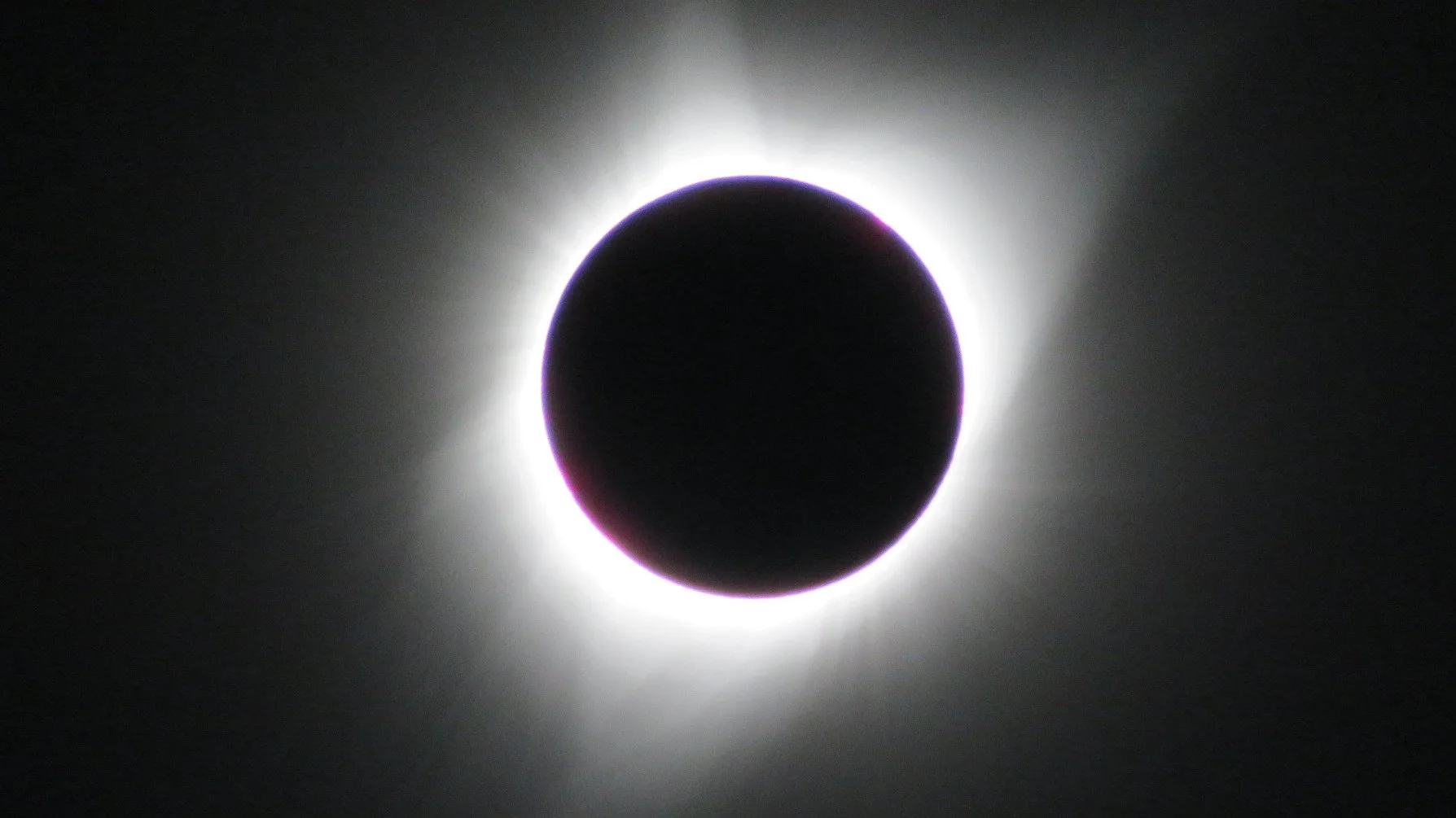
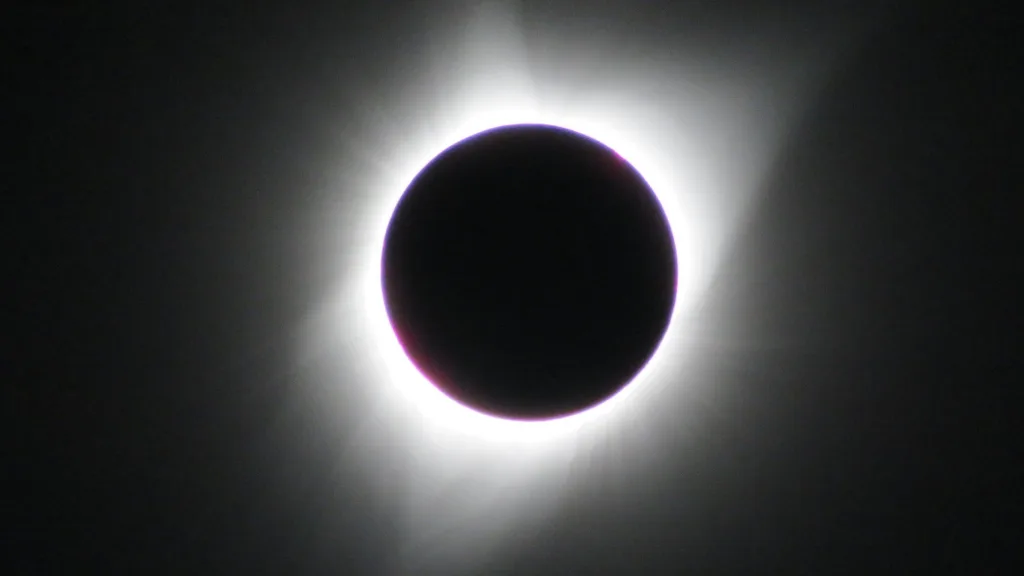
On August 12, 2026, the moon’s shadow swept across Greenland, Iceland and northern Spain, giving Europe its first total solar eclipse on the mainland since 1999. For those who saw it, the experience was the same one eclipse-chasers describe everywhere: a sudden twilight, a drop in temperature, birds falling silent and the sun’s pearly outer atmosphere, the corona, glowing around a black disc.
Why total eclipses are rare in any one place
Total solar eclipses happen somewhere on Earth roughly every 18 months, when the moon passes directly between the Earth and the sun. But the path of totality, where the moon completely covers the sun, is narrow, usually little more than 100 miles wide. Any given spot on Earth sees a total eclipse only about once every 375 years on average.
The next ones
- August 2, 2027: one of the longest of the century, with more than six minutes of totality near Luxor in Egypt. The path crosses southern Spain, North Africa and the Arabian Peninsula.
- July 22, 2028: across Australia, including Sydney, and New Zealand.
- 2030s: eclipses in southern Africa and Australia (2030), Antarctica, and parts of the Arctic and Asia.
The long wait for the U.S.
After the great North American eclipse of April 8, 2024, which crossed from Texas to Maine, the contiguous United States will not see another total eclipse until August 23, 2044, and that one touches only Montana and the Dakotas. The next big coast-to-coast event follows on August 12, 2045, crossing from California to Florida.
How to watch safely
Never look at a partially eclipsed sun without proper protection. Use eclipse glasses that meet the ISO 12312-2 standard or a solar filter for cameras and telescopes. Only during the brief moments of totality, when the sun is completely covered, is it safe to look with the naked eye, and you must put the glasses back on as soon as the sun begins to reappear.
Sources: Future Eclipses, NASA; Solar Eclipse Page, NASA Goddard; List of total solar eclipses, Time and Date; Eye Safety, American Astronomical Society.