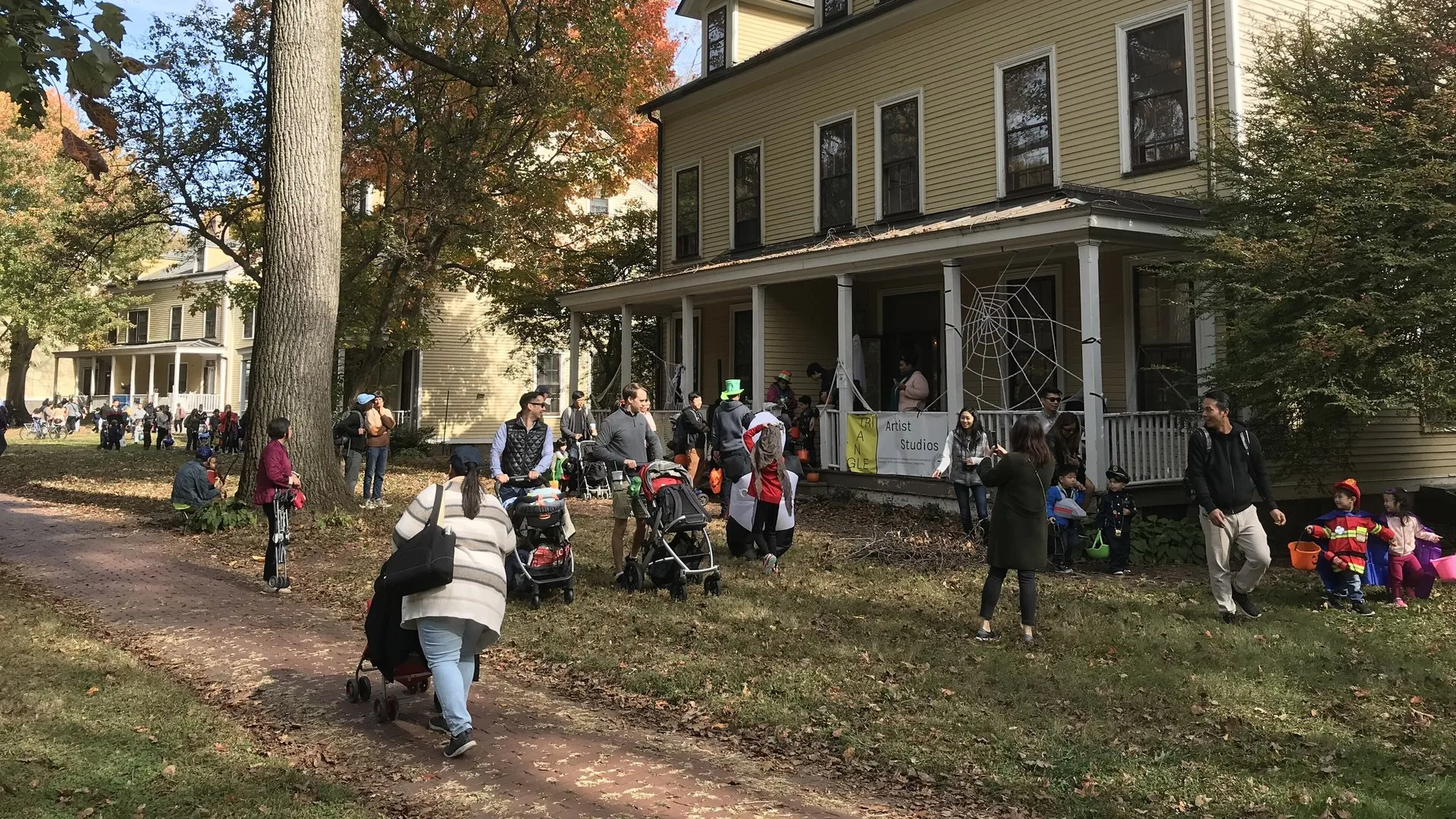
Ask any fourth grader and they will tell you: Halloween on a school night is a raw deal. Trick-or-treating ends early. Parents ration the candy. There are no scary movies past bedtime, and the morning after comes with a sugar crash and a spelling test.
This year, kids got lucky. October 31, 2026, fell on a Saturday. They will not get that again until 2037, according to the calendar. In 2027 it lands on a Sunday, and then it is back to weeknights for most of the next decade.
The push to move it
Some people think the holiday should simply move. In 2018 the Halloween & Costume Association, an industry group, launched a petition asking for Halloween to be celebrated on the last Saturday of October, arguing it would be safer, with more trick-or-treating in daylight, and more fun. The petition gathered well over 100,000 signatures. It also ran into a problem: Halloween is not a federal holiday that anyone can move. It is a date with centuries of history, tied to All Saints’ Day on November 1 and the older Celtic festival of Samhain.
Many towns quietly do their own thing anyway, setting official trick-or-treat hours or moving “beggars’ night” to a different evening.
A big business either way
Whatever night it falls on, Halloween is serious money. The National Retail Federation projected record Halloween spending of more than $13 billion in 2025, on candy, costumes and decorations, and an increasing share on costumes for pets.
The upside of a school night
There is one thing a weekday Halloween offers that Saturday cannot: wearing the costume to school. For a fourth grader in a Wookiee suit, that may be worth an early bedtime.
Sources: Halloween data and trends, National Retail Federation; Halloween, Wikipedia; Halloween dates, Time and Date.