Look up “property” in a dictionary and you get something like ownership, the right to possess, use or dispose of a thing. That definition hides the interesting part. Ownership is not a physical fact about an object. It is an agreement among people about who gets to decide what happens to it, and those agreements have changed a great deal over time and from one culture to another.
Property is a social agreement
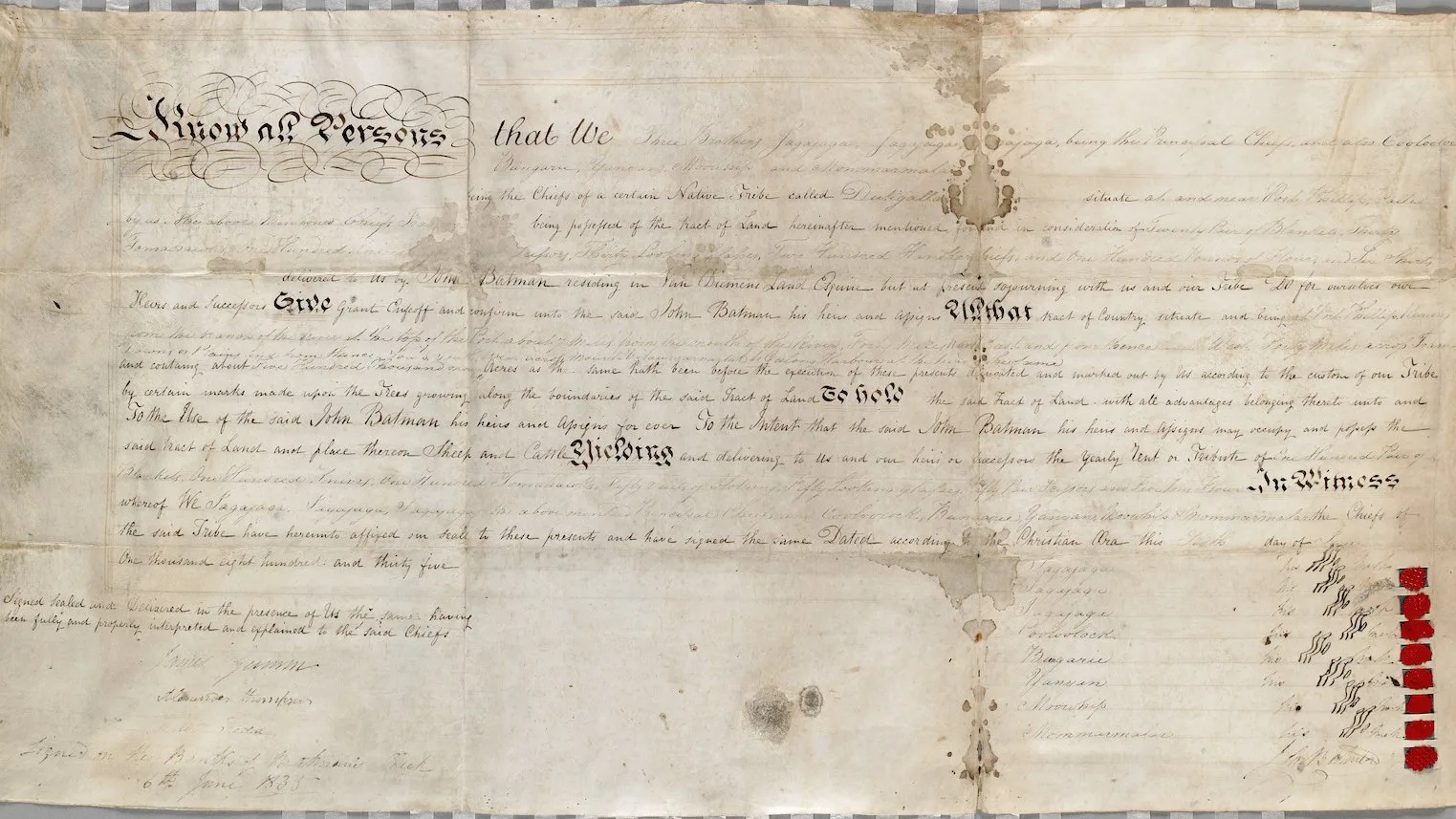
Legal scholars sometimes describe property as a bundle of rights: to use something, to exclude others from it, to sell it, to pass it on. Different societies bundle those rights differently, and the bundle comes with obligations too, such as taxes, zoning rules and duties to neighbors. Ownership is strongest when most people recognize it and weakest when they do not.
Old answers
Ancient law codes show how varied the answers were. In the Hebrew Bible, the book of Leviticus describes a jubilee every fiftieth year in which land was to return to the families that originally held it, on the principle that the land ultimately belonged to God and people were tenants. Medieval European land law layered rights so that a lord, a tenant and the crown could each hold a different claim to the same field. Many Indigenous traditions treated land as held by a community rather than any individual.
The hard case: ideas
Intellectual property, covering inventions, writing, music and art, pushes the idea of ownership further. You cannot fence an idea. Copyright and patent law instead grant temporary, limited monopolies, meant to reward creators while eventually letting works pass into the public domain. In the U.S., the Constitution frames this as promoting “the Progress of Science and useful Arts.”
Digital copying has strained those agreements. A good example is Google’s book-scanning project, launched in the mid-2000s. Google scanned millions of library books and showed short snippets in search results without asking authors first, effectively an opt-out approach. Authors and publishers sued, arguing copyright required permission up front. After years of litigation, a federal appeals court ruled in 2015 in Authors Guild v. Google that the scanning and snippet display were fair use, and the Supreme Court declined to hear the case in 2016.
Managing property today
“Property management” usually means running rental buildings: leasing, maintenance and collecting rent. But in a broader sense every society manages property through landlords, lawyers, courts, registries and police. As new kinds of assets appear, from domain names to data to the material used to train artificial intelligence, the same old question comes back: who gets to decide, and do enough people agree?
Sources: Authors Guild, Inc. v. Google, Inc., Wikipedia; Property, Legal Information Institute, Cornell Law School; What is Copyright?, U.S. Copyright Office.