Watch enough camel racing footage and you will see it: a dromedary that decides it has had enough, bucks, twists, and sends its rider flying. Racing camels are fit, highly strung animals, and a sprinting dromedary can hit around 40 miles an hour over short distances. Coming off at that speed, on hard sand, with other camels coming up behind, is no small thing.
A sport with old roots
Camel racing is centuries old in the Arabian Peninsula and remains hugely popular in the United Arab Emirates, Qatar, Saudi Arabia and Oman. Big meets draw thousands of animals, and the best racing camels change hands for prices that would buy a house. The sport has spread too. Australia, with its large feral camel population, holds races in outback towns such as Boulia in Queensland.
The child jockey problem
For years the riders in the Gulf were often young boys, many brought in from South Asia and Africa, because they were light. Human rights groups documented injuries, deaths and trafficking. Under international pressure, the UAE banned the use of child jockeys in 2005, and Qatar and other states moved in the same direction.
Enter the robots
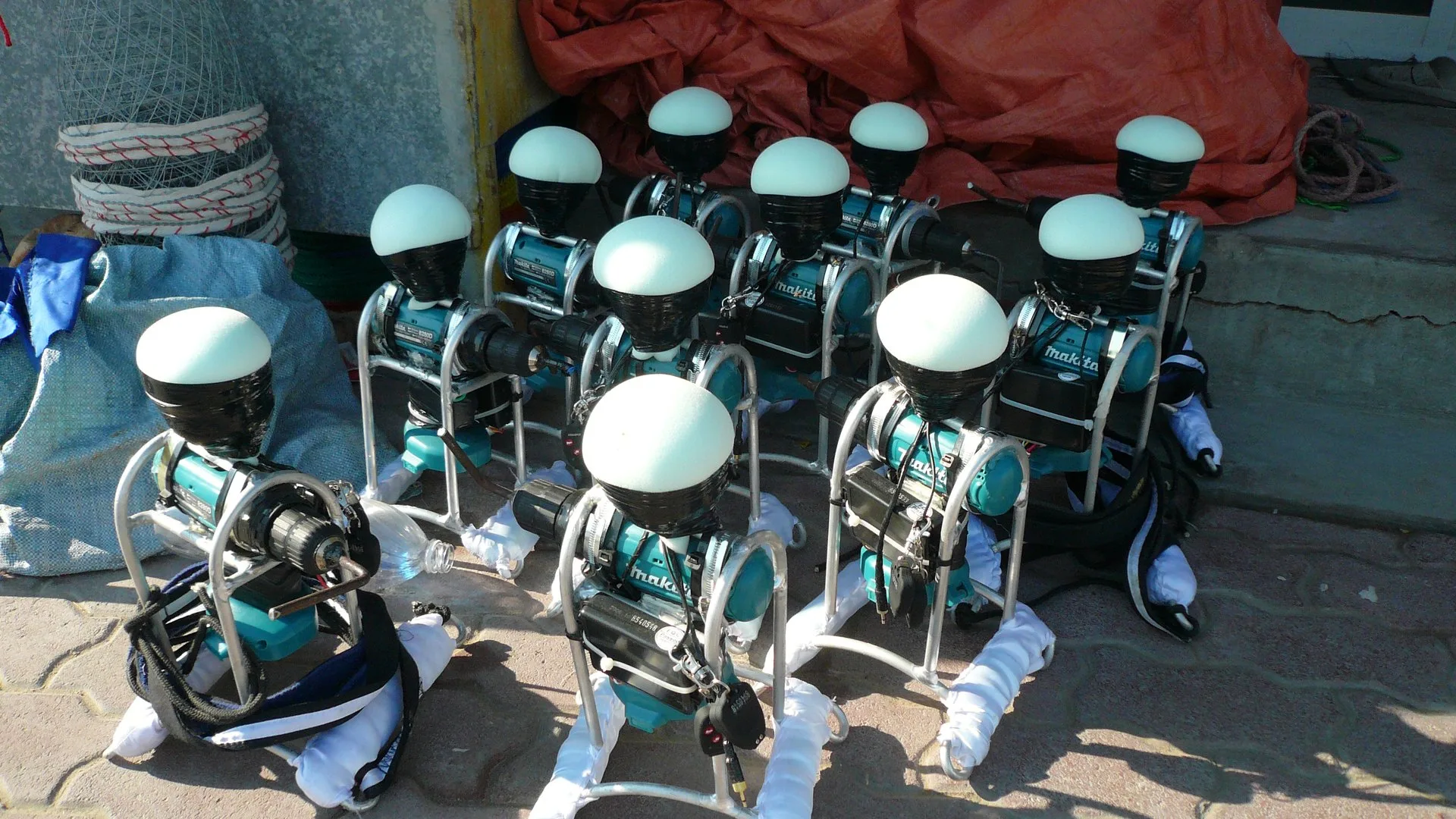
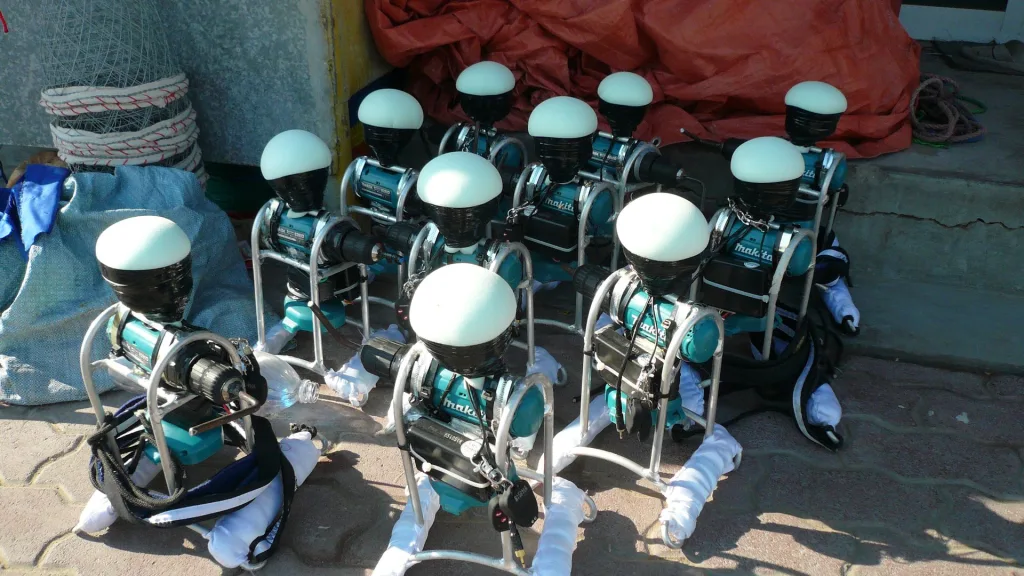
The replacement was a small robot jockey: a lightweight box strapped to the camel’s hump, fitted with a whip that trainers trigger by remote control while driving alongside the track in SUVs. Early models from the mid-2000s were relatively bulky. Today’s versions are compact, often home-built, and many carry a speaker so the trainer can talk to the camel during the race. Seeing a pack of riderless camels thundering down a track with a convoy of cars beside them is one of the stranger sights in modern sport.
Nothing removes the risk entirely. Camels still collide, stumble and bolt. But the person most likely to get hurt is now in an air-conditioned vehicle rather than perched on the animal’s back.
To understand the animals themselves, start with the difference between one-hump and two-hump camels.
Sources: Camel racing, Wikipedia; Robot jockey, Wikipedia.