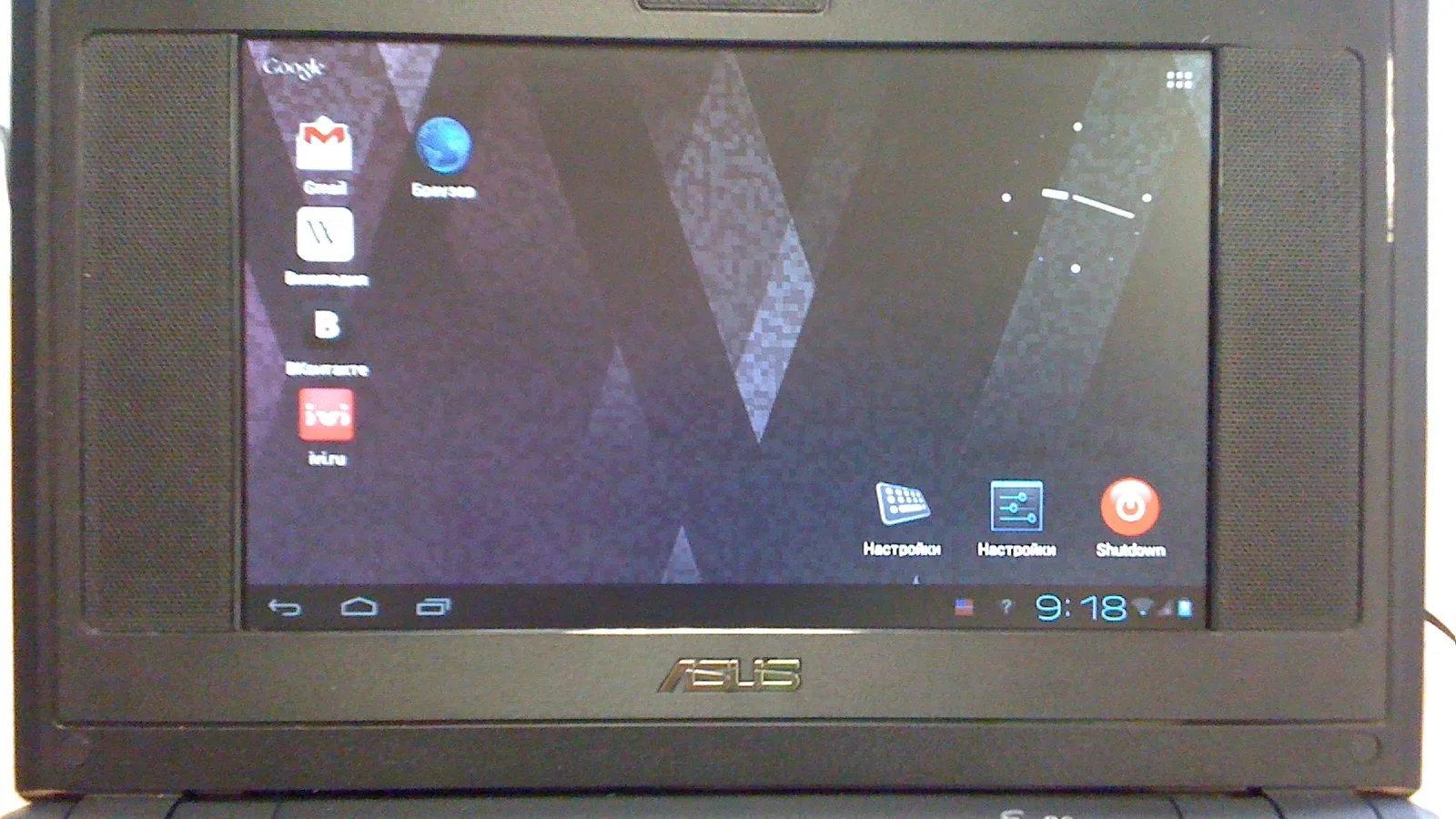
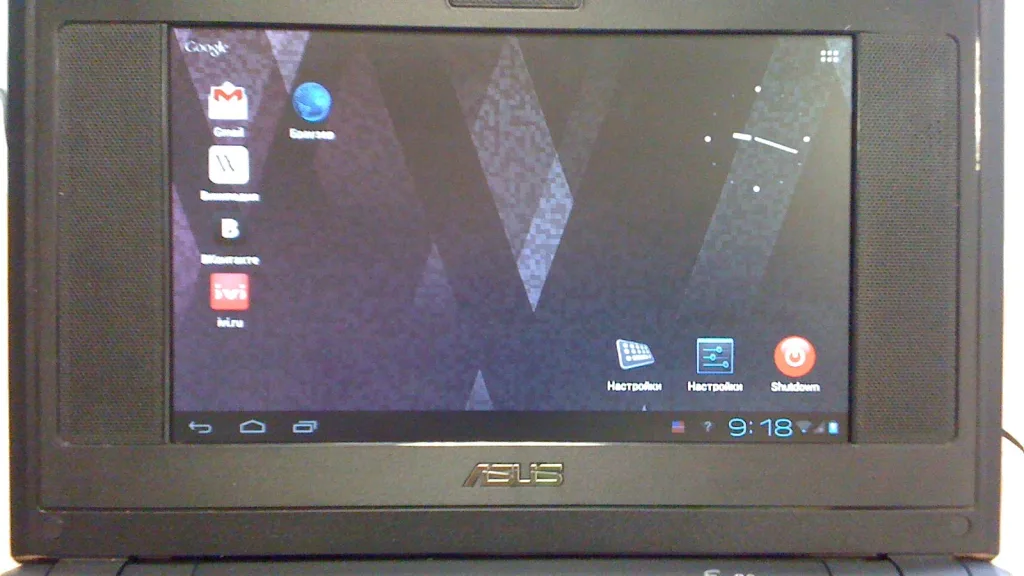
In late 2007, Asus released a laptop that seemed almost like a toy. The Eee PC 701 had a 7-inch screen, a cramped keyboard, a few gigabytes of flash storage instead of a hard drive, and a simplified version of Linux. It cost a fraction of a normal laptop. It sold out.
The Eee PC 2G Surf was the cheapest version in the early lineup, with 2GB of solid-state storage and 512MB of memory. It could browse the web, handle e-mail, edit documents and play video. That was the point. It was not meant to replace a desktop. It was meant to go in a bag.
Why it worked
For travelers, students and people who already had a main computer, the Eee PC answered a simple question: what is the least computer I need on the road? It booted quickly, it was light, and losing it would not be a financial disaster. The solid-state storage meant no moving parts to break when it was dropped.
Its limits were real. The storage filled up fast, the screen was small, and the keyboard was hard on adult hands. Later models got bigger screens, more storage and Windows XP.
The netbook boom
The Eee PC’s success created a whole category. Intel launched its Atom processor in 2008 for small, cheap machines and popularized the term “netbook.” Acer, HP, Dell, Lenovo and others piled in, and for a couple of years netbooks were among the hottest products in computing.
The fall
Then came the iPad in 2010, which did the same web-and-email job with a better screen and no keyboard, and ultra-thin laptops that fixed the netbook’s cramped compromises. Sales collapsed. By the end of 2012, Asus and Acer, the biggest netbook makers, had stopped making them.
The legacy
The idea did not die. Cheap, light, cloud-dependent laptops came back as Chromebooks, which now fill classrooms. The Eee PC proved that most people need less computer than they are sold, and that a good-enough machine at the right price can change a market.
Sources: Asus Eee PC, Wikipedia; Netbook, Wikipedia.