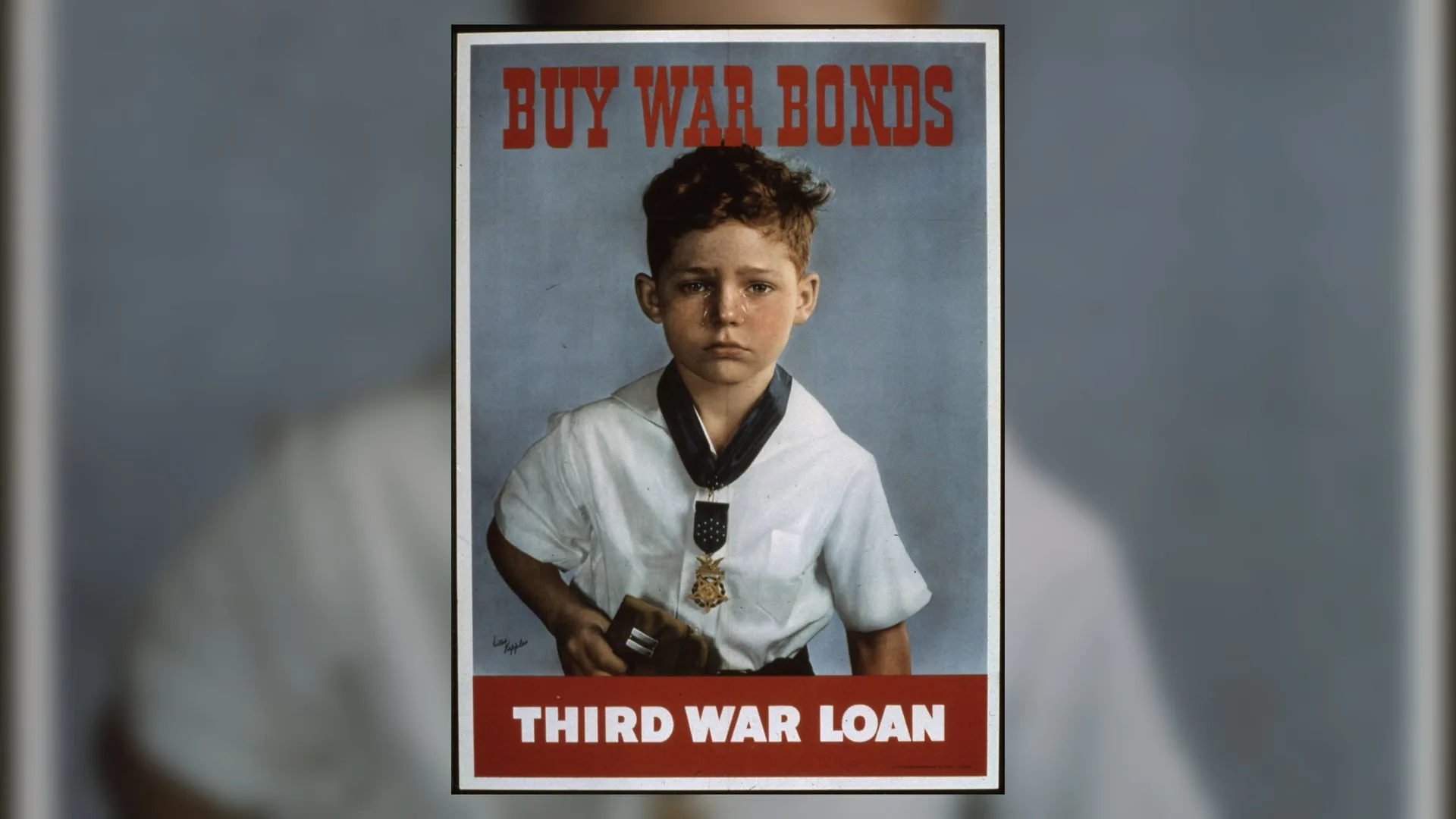
In 1942, the United States faced a problem. It needed huge sums to fight the war, and the Revenue Act of 1942 had pushed millions of Americans into paying federal income tax for the first time. Many had never filed a return. So the Treasury Department turned to the most famous cartoon star in the country: Donald Duck.
Two cartoons
Disney’s first effort, The New Spirit (1942), showed Donald learning to file his taxes and was nominated for an Academy Award. Its follow-up, The Spirit of ’43, released in early 1943, took a harder line. Donald, freshly paid, is torn between two characters: a thrifty Scottish duck urging him to save for his taxes, and a flashy spendthrift tempting him toward a nightclub. The thrifty duck, an early design that resembles the later Scrooge McDuck (who would not debut until 1947), wins. The cartoon ends with a rousing call to pay “taxes to beat the Axis.”
Not subtle
Like all wartime propaganda, it is anything but subtle. The spendthrift’s door swings to reveal a swastika, linking frivolous spending to helping the enemy. Modern viewers may find it heavy-handed. Audiences at the time were living through total war, and the message landed.
A change still with us
The cartoons came at a turning point in how Americans pay tax. The Current Tax Payment Act of 1943 introduced regular withholding of income tax from paychecks, so workers paid as they earned instead of facing one large bill. That system is still how most Americans pay income tax today. Donald’s lesson about setting money aside became, in effect, automatic.
The Spirit of ’43 is now in the public domain and widely available online, a vivid record of how far a government would go, and which stars it would recruit, to win a war.
Sources: The Spirit of ’43, Wikipedia; The New Spirit, Wikipedia; Tax History Project; Current Tax Payment Act, Wikipedia.