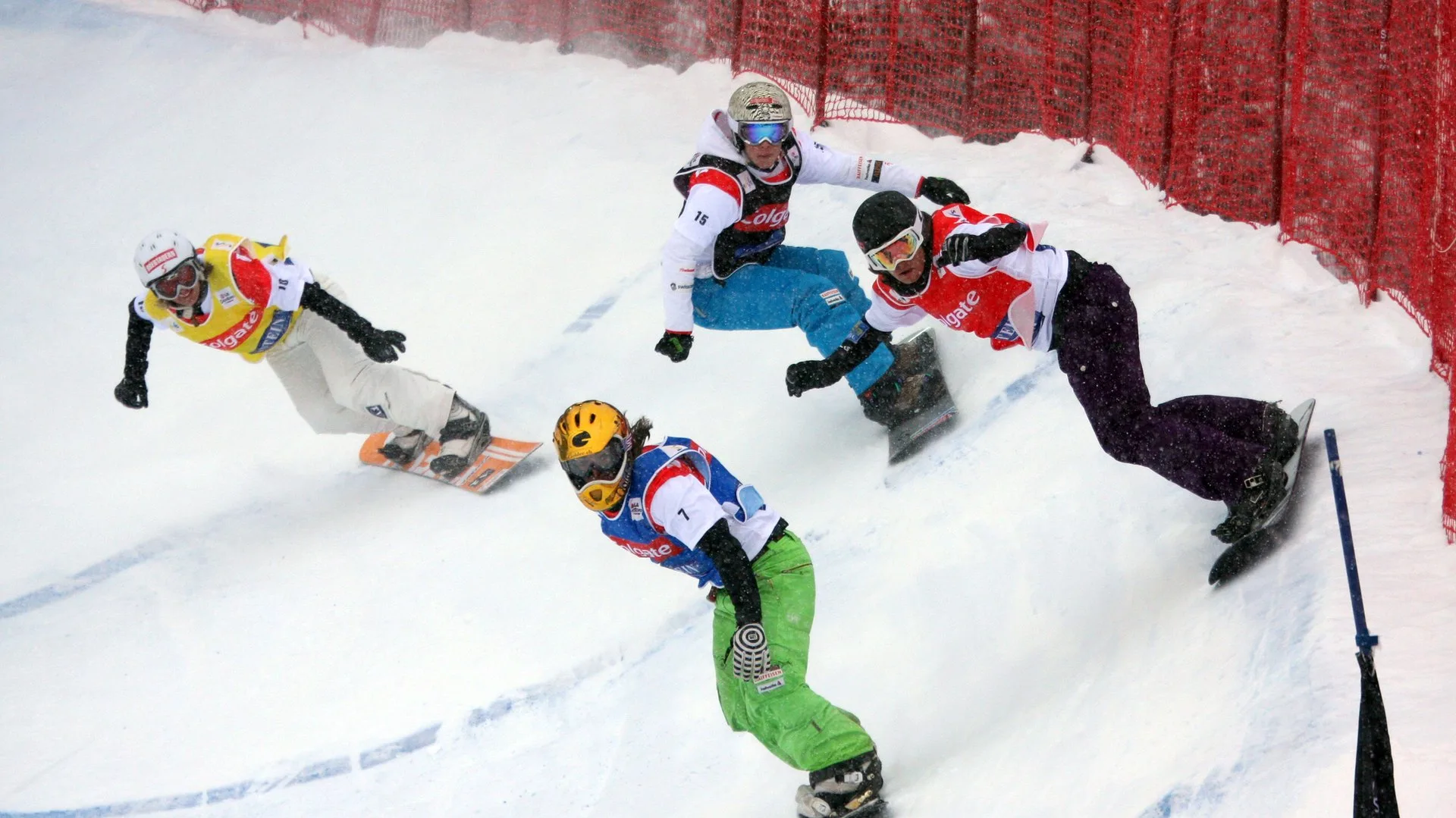

The first Olympic women’s snowboard cross final, at the 2006 Turin Winter Games, should have been a coronation. American Lindsey Jacobellis, 20 years old and the sport’s dominant racer, had built an enormous lead. On the second-to-last jump, she reached down to grab her board in a stylish “method” grab. She landed off-balance, fell, and watched Switzerland’s Tanja Frieden race past to take the gold. Jacobellis scrambled up and finished second.
The moment that stuck
The clip was replayed endlessly. It became a symbol of showboating gone wrong, and it followed Jacobellis for years. She said at first that she had grabbed for stability, and later acknowledged she had been having fun. Either way, a silver medal at 20 is a remarkable result, but it was remembered as a loss.
The long road back
Jacobellis kept winning almost everything except the Olympics. She collected multiple world championship titles and many X Games gold medals in snowboard cross, the most of any athlete in the event. At the Olympics, though, luck kept turning against her: she missed the final in Vancouver in 2010 and Sochi in 2014, and finished fourth in Pyeongchang in 2018.
Beijing 2022
Then, at 36, competing in her fifth Olympics in Beijing, she won. Jacobellis took gold in women’s snowboard cross, the first gold for the U.S. team at those Games, and days later won a second gold with Nick Baumgartner in the mixed team event. Sixteen years after Turin, the story finally had the ending everyone expected in 2006.
The lesson
The Turin fall is still a cautionary tale about celebrating too early. But Jacobellis’s career is the better lesson: one bad moment does not have to define you if you keep showing up.
Sources: Lindsey Jacobellis, Wikipedia; Snowboarding at the 2006 Winter Olympics, women’s snowboard cross, Wikipedia.