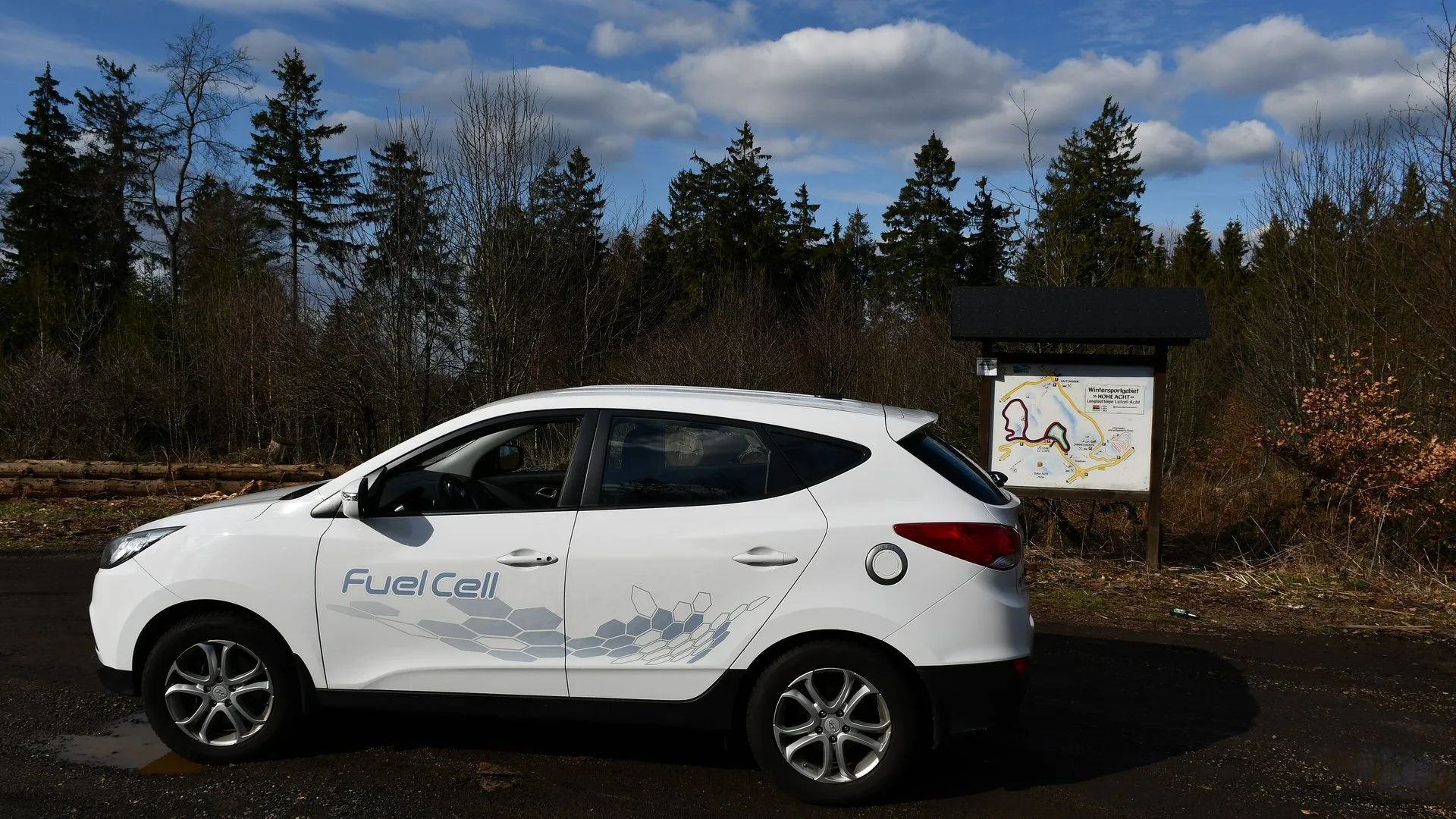
In the mid-2000s, hydrogen looked like the future of driving. Fuel cells combine hydrogen with oxygen from the air to make electricity, and the only thing that comes out of the tailpipe is water. General Motors was among the most enthusiastic backers. In 2007 it launched Project Driveway, putting more than 100 Chevrolet Equinox Fuel Cell SUVs in the hands of ordinary drivers to see how they held up in daily life.
The cars worked. Drivers liked them. And yet, in 2026, hydrogen cars remain a tiny niche. Only a few models, such as the Toyota Mirai and Hyundai Nexo, have been sold to the public in the U.S., and almost all of them in California.
The chicken-and-egg problem
A car needs fuel stations, and stations need cars. Building a hydrogen station costs far more than installing an electric car charger, and drivers will not buy cars they cannot fill. California has had only a few dozen retail hydrogen stations, and some have closed. In 2024 Shell shut its hydrogen stations for light vehicles in California, citing supply difficulties and the market.
The energy problem
Most hydrogen today is made from natural gas, which releases carbon dioxide. “Green” hydrogen, made by splitting water with renewable electricity, is cleaner but expensive. And every conversion loses energy: making hydrogen, compressing it, transporting it and turning it back into electricity in the car uses much more electricity per mile than charging a battery directly.
Where hydrogen may still win
Batteries won the passenger car race. Hydrogen’s best chance now is in heavy jobs where batteries are too heavy or slow to charge, such as long-haul trucks, buses, ships and steelmaking. GM has not given up either. It formed a joint venture with Honda that began producing fuel cells in Michigan in 2024. The hydrogen car may never have arrived, but hydrogen-powered work vehicles might.
Sources: Hydrogen Basics, U.S. Department of Energy Alternative Fuels Data Center; Fuel Cells, U.S. Department of Energy; Fuel cell vehicle, Wikipedia; Chevrolet Equinox Fuel Cell, Wikipedia.