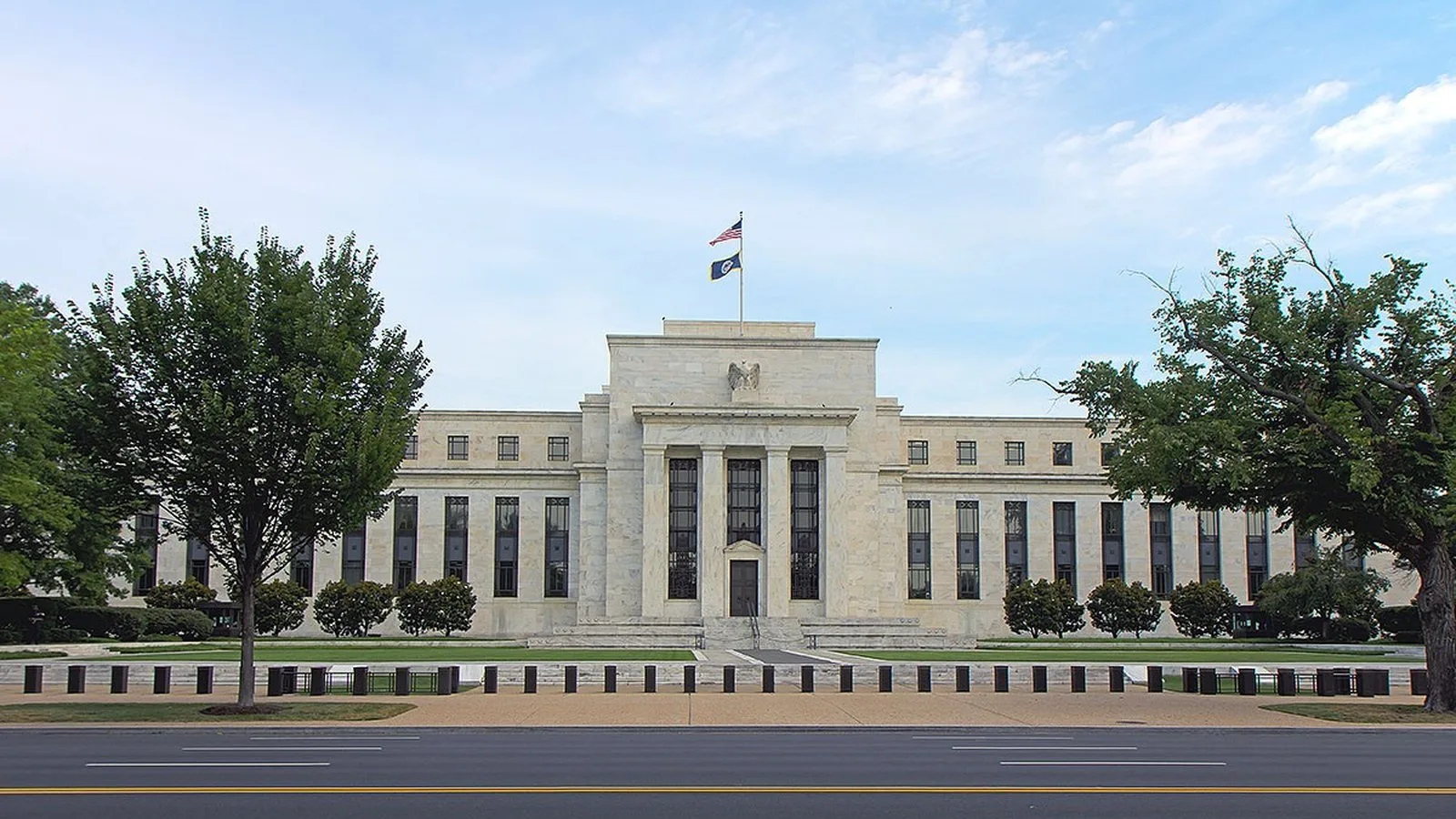
The average interest rate on credit cards at commercial banks is still sitting above 21 percent, according to the Federal Reserve’s latest consumer-credit report.
The Fed’s G.19 release dated Nov. 6, 2026, covering the third quarter, put the average annual percentage rate on all commercial-bank credit card accounts at 21.19 percent, and the rate on accounts assessed interest at 22.36 percent. Those figures appear in the August column, because the Fed collects card rates once a quarter, in the first calendar week of the middle month. In 2021, before the recent run-up, the all-accounts rate was 14.60 percent and the assessed-interest rate was 16.45 percent, the same historical table shows.
The G.19 is also a snapshot of how much card and other consumer debt is out there. On a seasonally adjusted basis, revolving credit outstanding was $1.3685 trillion in September, the preliminary figure in the same release, and total consumer credit was $5.2244 trillion. In September, consumer credit increased at a 6.4 percent annual rate; for the third quarter as a whole, it increased at a 4.2 percent annual rate. The all-accounts card rate, the Fed says in a footnote, is the stated APR averaged across all credit card accounts at reporting banks. The assessed-interest rate is the annualized ratio of finance charges to the average daily balances on accounts that were actually charged interest.
A 21 percent official average is not the rate on every card, and it is not a recommendation to carry a balance. It is the benchmark the central bank is publishing, and it is the one to compare a solicitation against.